Car Dealership With Hearing Loop: Why Accessible Automotive Showrooms Matter in 2026
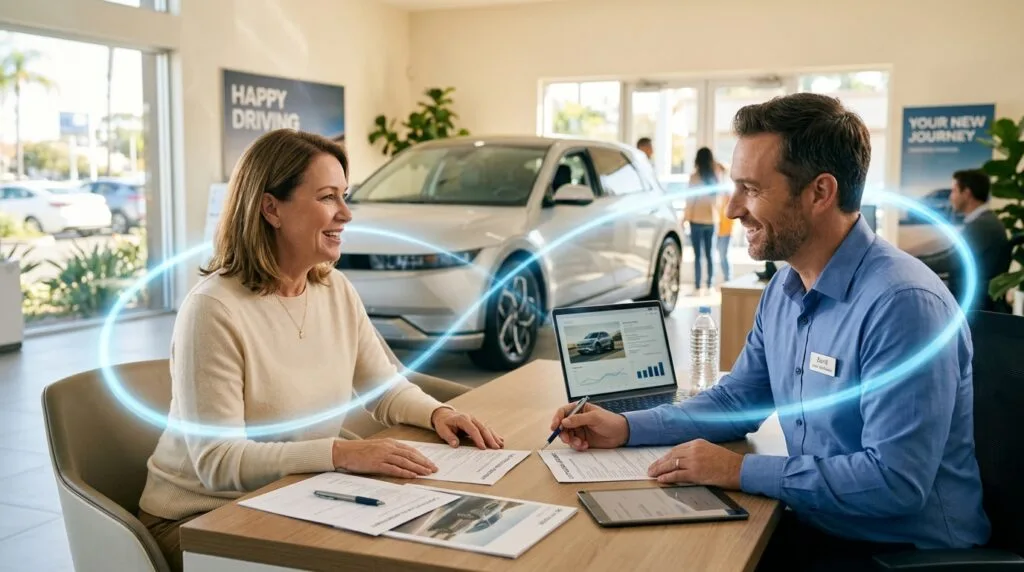
The demand for a car dealership with hearing loop technology is growing rapidly as businesses focus more on accessibility, customer inclusion, and modern communication support systems. In 2026, automotive dealerships are increasingly recognizing the importance of creating welcoming environments for customers with hearing loss or auditory challenges.
A hearing loop, also known as an induction loop system, is an assistive listening technology designed to improve sound clarity for people who use hearing aids or cochlear implants. These systems reduce background noise and transmit sound directly into compatible hearing devices, making conversations much easier in noisy public environments.
Car dealerships can often be difficult spaces for people with hearing difficulties. Large showrooms, multiple conversations, background music, echoing interiors, service department noise, and busy customer areas may create communication barriers during vehicle shopping experiences.
As customer experience becomes more important in the automotive industry, dealerships that install hearing loop systems are gaining recognition for prioritizing accessibility and inclusive service.
This article explores everything you need to know about car dealerships with hearing loop systems, including how hearing loops work, why accessibility matters in automotive sales, customer benefits, legal considerations, technology integration, dealership advantages, and future trends in inclusive retail environments.
What Is a Hearing Loop System?
A hearing loop is an assistive audio technology that helps people with hearing aids or cochlear implants hear conversations more clearly in public spaces.
The system works by transmitting sound directly into compatible hearing devices through electromagnetic signals. Most modern hearing aids include a “T-coil” or telecoil setting designed specifically for hearing loop compatibility.
A typical hearing loop system includes:
- A microphone
- An amplifier
- A loop wire installed around a room or counter area
- Compatible hearing devices with telecoil support
When someone speaks into the microphone, the sound is converted into an electromagnetic signal and transmitted through the loop wire. Hearing aids equipped with telecoil functionality receive the signal directly, significantly reducing background noise and improving speech clarity.
This technology is especially useful in environments where traditional hearing becomes difficult due to echo, crowd noise, or distance from speakers.
Hearing loops are already common in:
- Airports
- Banks
- Hospitals
- Theaters
- Government buildings
- Churches
- Conference centers
Now, automotive dealerships are increasingly adopting this technology to improve customer service accessibility.
Why Hearing Accessibility Matters in Car Dealerships
Buying a vehicle is one of the most important purchasing decisions many people make. The process often involves lengthy conversations, financial discussions, technical explanations, negotiations, and service consultations.
For customers with hearing difficulties, these interactions can become stressful or frustrating without proper communication support.
Car dealerships are often acoustically challenging environments because they include:
- Large open spaces
- Reflective surfaces
- Multiple conversations
- Background music
- Vehicle movement noise
- Service department activity
- Public announcement systems
Even customers with hearing aids may struggle to understand speech clearly in these conditions.
A hearing loop system helps eliminate many of these barriers by transmitting clean audio directly into hearing devices. This creates a more comfortable and confident customer experience.
Accessibility is also increasingly important from a customer service perspective. Businesses that support inclusive communication demonstrate professionalism, respect, and modern social responsibility.
As populations age globally, hearing accessibility becomes even more relevant. Millions of adults experience some degree of hearing loss, making assistive technologies increasingly valuable in retail and service environments.
How Hearing Loops Improve the Car Buying Experience
A car dealership with hearing loop technology can significantly improve the customer journey from the moment visitors enter the showroom.
At reception desks, hearing loops allow customers to communicate clearly with staff without needing repeated explanations or raised voices.
During vehicle consultations, sales representatives can explain financing, features, warranties, and technical specifications more effectively because customers hear conversations directly through their hearing devices.
This improves understanding during important discussions involving:
- Vehicle pricing
- Lease agreements
- Financing terms
- Insurance options
- Warranty coverage
- Maintenance packages
Service departments also benefit greatly from hearing loop systems. Customers discussing repair needs or maintenance instructions can hear service advisors more clearly, reducing misunderstandings and frustration.
Hearing loops help customers feel more independent as well. Instead of relying on companions or written communication, individuals can participate directly in conversations comfortably.
The technology creates a more relaxed and inclusive atmosphere, which may positively influence customer trust and satisfaction throughout the purchasing process.
The Growing Importance of Accessibility in the Automotive Industry
Accessibility has become a major focus across many industries, including automotive retail.
Modern consumers increasingly expect businesses to provide inclusive environments accommodating different physical, sensory, and communication needs.
Automotive manufacturers and dealerships are responding by improving accessibility features in both vehicles and customer facilities.
Showrooms now frequently include:
- Wheelchair-accessible entrances
- Accessible parking
- Visual assistance systems
- Inclusive restroom facilities
- Digital accessibility tools
- Hearing support technologies
Hearing loop systems are part of this broader movement toward universal customer accessibility.
Government regulations in many countries also encourage or require businesses to improve accessibility accommodations for people with disabilities.
Beyond legal compliance, accessible design strengthens brand reputation and customer loyalty. Businesses that prioritize inclusivity are often viewed as more professional, trustworthy, and socially responsible.
As awareness of hearing accessibility continues growing, more customers actively seek businesses offering hearing-friendly environments.
This trend is likely to continue expanding throughout 2026 and beyond.
Types of Hearing Loop Systems Used in Dealerships
Car dealerships may install different types of hearing loop systems depending on their layout, customer volume, and communication needs.
Counter hearing loops are among the most common options. These systems are installed at reception desks, finance offices, or customer service counters where one-on-one conversations occur frequently.
Room loop systems cover larger areas such as waiting lounges, meeting rooms, or sales offices. These systems allow multiple users to benefit simultaneously within a designated space.
Portable hearing loops are flexible mobile units sometimes used for temporary consultations or special events.
Integrated building-wide loop systems may support multiple dealership zones through centralized audio management infrastructure.
Many modern systems also integrate with:
- Public announcement systems
- Video presentation tools
- Virtual consultation systems
- Conference microphones
- Service communication platforms
The choice depends on dealership size, customer demographics, and overall accessibility goals.
Benefits for Car Dealership Businesses
Installing hearing loop technology offers several important business advantages for automotive dealerships.
First, improved customer communication often leads to better customer satisfaction. Clear conversations reduce misunderstandings and create smoother sales experiences.
Second, accessibility improvements strengthen dealership reputation. Inclusive businesses are more likely to receive positive reviews and recommendations from customers and community organizations.
Third, hearing accessibility may increase customer retention. Customers who feel respected and supported are more likely to return for future purchases and vehicle servicing.
Dealerships also benefit from improved staff efficiency because conversations become easier and less repetitive during customer interactions.
Accessibility features can additionally help businesses comply with disability regulations and reduce potential legal risks associated with inaccessible communication environments.
Another advantage is market differentiation. In highly competitive automotive markets, accessibility investments help dealerships stand out positively from competitors.
As awareness surrounding hearing accessibility grows, hearing loop systems may increasingly become standard expectations rather than optional upgrades.
Legal and Accessibility Considerations
Many countries have laws encouraging or requiring businesses to provide accessible communication support for customers with disabilities.
In the United States, the Americans with Disabilities Act (ADA) promotes equal access to public accommodations and communication services.
In the United Kingdom, the Equality Act supports accessibility rights involving hearing assistance technologies in public spaces.
Other countries maintain similar accessibility regulations encouraging inclusive customer environments.
Although hearing loops may not always be legally mandatory for every dealership, businesses increasingly adopt them proactively to improve accessibility standards and customer service quality.
Clear signage is also important. Dealerships using hearing loops should display internationally recognized hearing loop symbols so customers know assistance is available.
Staff training plays a major role as well. Employees should understand how hearing loop systems work and how to assist customers effectively.
Legal compliance combined with inclusive customer service creates stronger long-term business value.
Technology Integration and Smart Dealership Design
Modern car dealerships increasingly rely on advanced digital systems, and hearing loop technology integrates naturally into smart showroom environments.
Dealerships now use technologies such as:
- Interactive digital displays
- Virtual vehicle demonstrations
- Smart customer management systems
- Online financing tools
- Remote consultations
- AI-powered customer service platforms
Hearing loop systems can support these technologies by improving communication clarity during presentations, consultations, and service interactions.
Some dealerships integrate hearing loops directly into multimedia presentation rooms where customers review vehicle specifications or financing options.
Smart building systems may also monitor acoustic environments and optimize communication technologies automatically.
As automotive retail becomes more digitally advanced, accessible communication technologies will likely become standard components of showroom design.
Why Hearing-Friendly Dealerships Matter for Aging Populations
One major reason hearing loop systems are becoming more important is global demographic change.
Aging populations are increasing in many countries, and hearing loss becomes more common with age.
Older adults remain one of the most significant customer groups in the automotive industry, particularly for premium vehicles, SUVs, and service maintenance programs.
Many older customers use hearing aids but still experience difficulty in noisy environments such as busy dealerships.
Hearing-friendly spaces help maintain independence and confidence during major purchasing decisions.
Accessible communication also improves safety because customers better understand vehicle instructions, warranty details, and service recommendations.
As aging populations continue growing worldwide, hearing accessibility will likely become an increasingly important factor in customer experience design.
The Future of Accessibility in Automotive Retail
The future of automotive retail is expected to prioritize personalization, digital integration, and inclusive customer experiences.
Accessibility technologies such as hearing loops are likely to become more widespread as dealerships modernize their facilities.
Future developments may include:
- AI-powered speech enhancement
- Real-time captioning systems
- Personalized audio communication tools
- Smart hearing assistance integration
- Voice-controlled dealership support systems
- Mobile hearing accessibility apps
Automotive brands increasingly recognize that inclusive environments improve both customer satisfaction and long-term business success.
As public awareness of hearing accessibility grows, customers may begin actively searching for car dealerships with hearing loop systems and other inclusive technologies.
This shift reflects broader societal trends emphasizing equal access, customer-centered design, and modern communication support.
Conclusion
A car dealership with hearing loop technology represents a major step toward more inclusive and accessible automotive retail experiences in 2026. By improving communication clarity for customers with hearing aids or cochlear implants, hearing loop systems help create more comfortable, respectful, and efficient dealership environments.
The technology supports clearer conversations during vehicle consultations, financing discussions, service appointments, and customer support interactions while reducing background noise challenges common in busy showrooms.
As accessibility awareness continues expanding globally, hearing-friendly dealerships are becoming increasingly valuable for customer satisfaction, legal compliance, brand reputation, and business growth.
The rise of hearing loop systems reflects a broader movement toward smarter, more inclusive public spaces designed to support diverse communication needs in modern society.



Post Comment