Low Fade Haircut: The Ultimate 2026 Guide to the Most Versatile Men’s Hairstyle
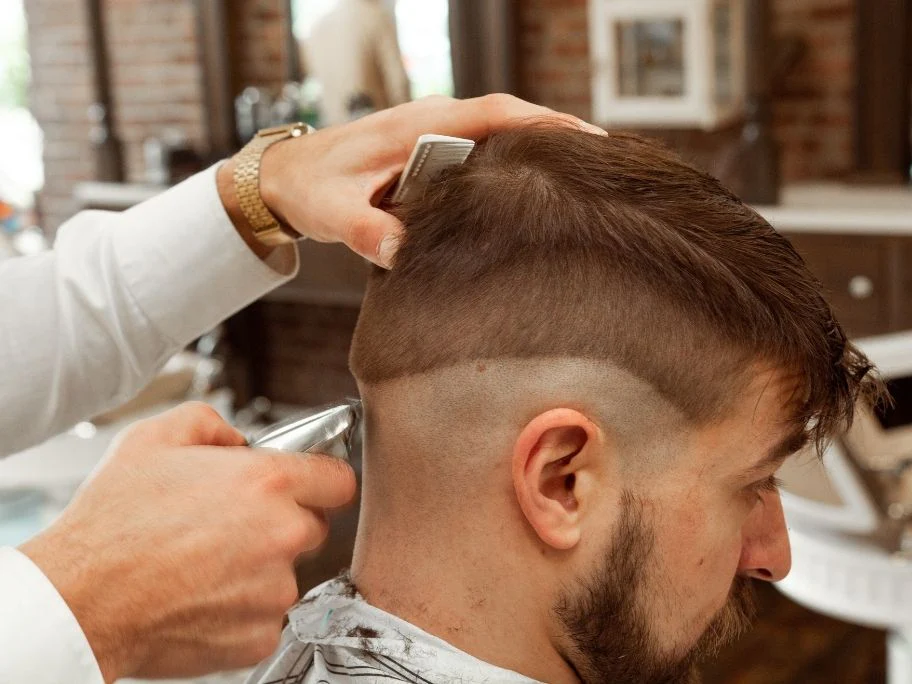
The low fade haircut continues to dominate barbershops in 2026 because it offers the perfect balance between professionalism, style, and versatility. Unlike high-contrast haircuts that demand attention, the low fade creates a subtle transition that looks clean without appearing overly dramatic. According to recent barbering guides and industry trend reports, low fades remain among the most requested men’s hairstyles because they work with nearly every hair texture, face shape, and lifestyle.
Before diving into the complete guide, let’s explore the structure of this article.
What Is a Low Fade Haircut?
A low fade haircut is a hairstyle where the hair gradually transitions from longer lengths on top to shorter lengths on the sides and back. What makes it unique is the position where the fade begins. Instead of starting near the temples like a mid fade or higher up the head like a high fade, a low fade begins just above the ears and around the neckline. This creates a softer, more natural blend that complements almost any hairstyle.
Imagine a sunset gradually fading into darkness rather than an abrupt switch from day to night. That’s exactly how a low fade behaves. The transition is smooth and subtle, creating a polished appearance without drawing excessive attention to the haircut itself. This understated elegance explains why it has become a favorite among professionals, students, athletes, and celebrities alike.
How a Low Fade Works
Barbers use clippers with different guard lengths to create a seamless gradient. The shortest section remains near the bottom of the hairline, while the length gradually increases as it moves upward. The result is a clean yet natural appearance that enhances facial features without overwhelming them.
Why It Is Called a Low Fade
The term “low” refers to the fade’s starting point. Since the blending begins close to the ears and neckline, the fade occupies a smaller portion of the head compared to mid or high fades. This positioning provides a more conservative and versatile look.
The Growing Popularity of Low Fades
The low fade has evolved from a traditional barbershop staple into one of the defining men’s hairstyle trends of 2026. Across social media platforms, barbering communities, and fashion publications, the low fade consistently ranks among the most requested haircuts. Recent barber reports indicate that clients increasingly prefer subtle fades because they grow out more naturally and suit both professional and casual environments.
One major reason behind its popularity is adaptability. Trends come and go, but versatility remains timeless. A low fade can complement a textured crop today, a slick back tomorrow, and a curly top next month. Few hairstyles offer that level of flexibility. Another advantage is that the cut works equally well for teenagers entering college and executives attending corporate meetings.
2026 Haircut Trends
Current men’s grooming trends emphasize natural texture, effortless styling, and clean finishes. The low fade fits perfectly within these preferences because it provides structure without looking overly engineered. Industry experts continue to highlight low fades as one of the safest and most flattering haircut choices available today.
Benefits of Choosing a Low Fade
Choosing a low fade offers advantages beyond simple aesthetics. This haircut delivers a practical combination of style, convenience, and adaptability that few alternatives can match.
Professional Appearance
A low fade communicates attention to detail without appearing flashy. In workplaces where appearance matters, the haircut projects confidence and professionalism. The subtle blend creates a refined look suitable for business meetings, interviews, and formal events. Unlike aggressive fades, the low fade remains conservative enough for nearly every professional environment.
Easy Maintenance
Many men appreciate hairstyles that look great without requiring excessive effort. The low fade excels in this area. Since the fade starts lower on the head, it tends to grow out more gracefully than higher fades. This means fewer emergency barber visits and less daily styling stress. Most people can maintain a fresh appearance with touch-ups every two to three weeks.
| Benefit | Low Fade |
|---|---|
| Professional Look | Excellent |
| Styling Flexibility | High |
| Maintenance | Moderate |
| Suitable for Most Hair Types | Yes |
| Beard Compatibility | Excellent |
Different Types of Low Fade Haircuts
Not all low fades are identical. Several variations allow individuals to customize the haircut according to their personality and preferences.
Low Skin Fade
The low skin fade creates maximum contrast by blending the hair down to bare skin near the neckline. This version appears especially sharp and modern. Men seeking a bold yet sophisticated appearance often choose this option.
Low Taper Fade
The low taper fade offers a softer approach. Rather than fading completely into the skin, the hair gradually shortens around the sideburns and neckline. This style remains extremely popular among professionals because of its understated elegance.
Low Drop Fade
A low drop fade follows the natural curvature of the head by dipping behind the ears. This technique adds visual depth and creates a distinctive silhouette. Many modern barbers recommend drop fades for clients seeking something unique without becoming overly dramatic.
Low Fade with Beard
Pairing a beard with a low fade creates a seamless transition from hair to facial hair. This combination enhances facial structure and provides a polished appearance. Many barbers consider the fade-to-beard blend one of the most attractive grooming combinations available.
Best Hair Types for a Low Fade
One of the greatest strengths of the low fade is its compatibility with virtually every hair type.
Straight Hair
Straight hair showcases the precision of a fade exceptionally well. The clean lines and gradual blending become highly visible, creating a sharp and polished appearance. Straight-haired individuals often combine low fades with slick backs, pompadours, or textured crops.
Wavy Hair
Wavy hair naturally adds movement and dimension to a low fade. The contrast between the clean sides and textured top creates a balanced appearance. Barbers frequently recommend low fades for wavy-haired clients because they reduce bulk while preserving natural texture.
Curly Hair
Curly hair benefits significantly from a low fade because the haircut controls volume around the sides while allowing curls to remain the focal point. The result is a stylish and manageable hairstyle that highlights natural texture rather than fighting against it.
Best Face Shapes for Low Fades
The low fade complements nearly every face shape, but it proves particularly effective for oval, heart-shaped, and round faces. Because the fade remains low, it preserves more visual width around the head, helping create balanced proportions. Professional barbers often recommend low fades for clients seeking a universally flattering haircut.
For round faces, the added height on top can create the illusion of length. Oval faces benefit from the haircut’s natural symmetry. Heart-shaped faces enjoy improved balance between the forehead and jawline. This versatility explains why the style remains a safe choice regardless of facial structure.
Low Fade vs Mid Fade vs High Fade
Understanding the differences between fade types can help you make an informed decision.
| Feature | Low Fade | Mid Fade | High Fade |
|---|---|---|---|
| Starting Point | Above ears | Temple area | Upper sides |
| Contrast | Low | Medium | High |
| Professional Appearance | Excellent | Very Good | Moderate |
| Maintenance | Lower | Moderate | Higher |
| Styling Flexibility | High | High | Moderate |
The low fade wins in versatility because it adapts easily to changing trends and lifestyles. While high fades create stronger visual impact, low fades provide greater long-term flexibility.
How to Ask Your Barber for a Low Fade
Communication can make the difference between a perfect haircut and a disappointing experience. Instead of simply requesting a low fade, provide specific details about the desired length on top, fade intensity, and neckline shape.
Experts suggest saying something similar to: “Keep the fade low around the temple and nape, blend it smoothly, and leave enough length on top for styling.” Bringing reference photos can also eliminate misunderstandings. Professional barbers consistently emphasize that visual examples help achieve better results.
The more information you provide, the more accurately your barber can bring your vision to life.
Styling Tips for Maximum Impact
A great haircut becomes even better when paired with effective styling techniques. The ideal styling product depends largely on hair type and desired finish.
For textured looks, use a matte clay or styling paste. For sleek appearances, a pomade works well. Men with curly or wavy hair often benefit from lightweight creams that enhance natural texture without adding stiffness. The goal should be enhancement rather than transformation.
Daily styling typically requires only a few minutes. A blow dryer can add volume, while a small amount of product helps maintain shape throughout the day. The beauty of the low fade lies in its ability to look intentional even when minimally styled.
Maintenance and Upkeep
Although low fades require less maintenance than some alternatives, regular upkeep remains important. Most barbers recommend scheduling appointments every two to three weeks to maintain crisp blending and clean edges.
Between appointments, proper hair care makes a noticeable difference. Quality shampoo, conditioner, and appropriate styling products help preserve the haircut’s appearance. Beard maintenance becomes equally important when pairing facial hair with a low fade.
Consistency is the secret. Small maintenance efforts prevent the haircut from losing its shape and ensure it continues looking fresh.
Common Mistakes to Avoid
Many people unintentionally reduce the effectiveness of their low fade through avoidable mistakes.
Some common issues include:
- Choosing a fade that starts too high.
- Using excessive styling products.
- Ignoring regular maintenance appointments.
- Failing to consider face shape.
- Visiting inexperienced barbers.
A fade is all about precision. Even small errors can significantly impact the final appearance. Investing in a skilled barber and maintaining clear communication often produces the best long-term results.
Conclusion
The low fade haircut remains one of the most reliable and stylish choices available in 2026. Its combination of versatility, professionalism, and adaptability makes it suitable for almost every man regardless of age, profession, or hair type. Whether you prefer a textured crop, a slick back, curly volume, or a buzz cut, a low fade provides the perfect foundation.
The haircut’s enduring popularity isn’t driven solely by trends. It continues thriving because it solves a simple problem: looking sharp without excessive effort. If you’re searching for a hairstyle that balances modern style with timeless appeal, the low fade deserves a place at the top of your list.
FAQs
1. How long does a low fade last?
A low fade typically maintains its sharp appearance for two to three weeks before requiring a touch-up.
2. Is a low fade suitable for professional workplaces?
Yes. The low fade is considered one of the most professional and office-friendly fade styles available.
3. Does a low fade work with curly hair?
Absolutely. Curly hair often looks exceptional with a low fade because it highlights natural texture while reducing side bulk.
4. What is the difference between a low fade and a taper fade?
A low fade creates a stronger gradient effect, while a taper fade offers a more gradual and subtle transition.
5. Can I combine a beard with a low fade?
Yes. A beard paired with a low fade creates a seamless and highly attractive grooming combination.


Post Comment