How Technology Is Changing Knee Replacement Surgery
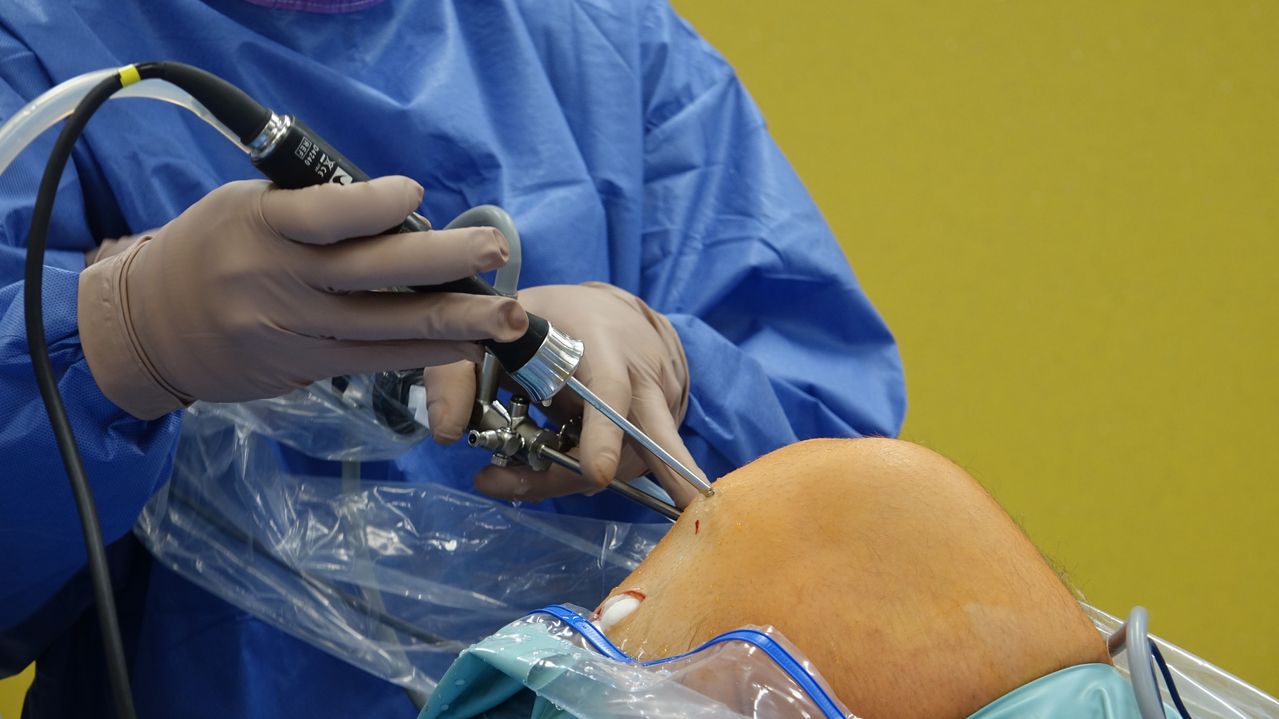
For many people living with severe knee pain, the decision to consider knee replacement is not taken lightly. A knee replacement is a major operation, and patients naturally want to understand what will happen, how technology is involved and what the experience of surgery is likely to be.
Over recent years, advances in medical technology have changed the way knee replacement surgery can be planned and performed. One of the most interesting developments is the increasing use of computer-assisted and robotic technology to support the surgical team.
This does not mean that a robot independently performs a knee replacement. Instead, sophisticated technology can provide the surgeon with additional information and tools to help plan the operation and achieve the intended position of the artificial joint.
From X-rays to Digital Planning
Traditionally, knee replacement surgery has relied heavily on physical examination, X-rays and the surgeon’s experience. These remain fundamental parts of assessing a patient.
Modern systems can add another layer of information.
Three-dimensional imaging and computer-based planning can allow the surgical team to build a detailed picture of the patient’s anatomy before an operation. This can help the surgeon consider factors such as the shape of the knee, the alignment of the leg and the position in which the replacement components should be placed.
For patients, one of the important advantages is that the operation can be planned before they enter the operating theatre.
Rather than simply approaching every knee in exactly the same way, technology can help support a more individualised surgical plan.
What Does Robotic Knee Surgery Actually Mean?
The phrase robotic knee replacement can sound futuristic, but the reality is rather more practical.
During robotic-assisted surgery, the surgeon remains responsible for the procedure. The technology acts as a sophisticated planning and guidance system.
Depending on the particular system being used, the surgeon may be able to use digital information about the patient’s knee to help determine the position and alignment of the replacement components.
The equipment can also provide feedback during the procedure.
This potentially gives the surgeon a greater level of information while making decisions about bone preparation and implant positioning.
For patients considering the procedure, it is therefore important to understand the distinction between robotic-assisted surgery and the idea of a robot performing an operation without human involvement.
The surgeon is still at the centre of the procedure.
Why Alignment Matters
A knee replacement consists of several components designed to recreate the function of the damaged joint. Their position and relationship to one another are important considerations during surgery.
Small differences in positioning can affect how the replacement behaves.
Modern technology can help the surgical team assess alignment and positioning during the operation rather than relying exclusively on conventional measurements.
That may be particularly useful when dealing with patients whose anatomy differs from the standard patterns encountered in surgical planning.
Technology can therefore provide another set of measurements for the surgeon to consider alongside clinical judgement and experience.
Does Robotic Surgery Mean Better Results?
This is where it is important to avoid the hype.
Robotic-assisted knee replacement is an exciting development, but technology should not be regarded as a guarantee of a better outcome.
A successful knee replacement depends on many factors. These include the patient’s underlying condition, their general health, the severity of their knee problem, the implant selected, the surgical technique, rehabilitation and the patient’s expectations.
The experience of the surgical team remains extremely important.
Technology is best viewed as a tool that can potentially improve planning and precision rather than as a replacement for surgical expertise.
For someone considering surgery, the more useful question may therefore be not simply “Is robotic surgery available?” but “How will this technology be used in my particular operation?”
The Importance of Choosing the Right Patient
Not everyone requiring knee replacement will necessarily need robotic-assisted surgery.
There are several different approaches to knee replacement, and the most appropriate option depends on the individual patient.
A surgeon will normally consider the patient’s symptoms, examination findings, imaging, activity levels, expectations and overall health before recommending an operation.
For some patients, conventional knee replacement may be entirely appropriate. For others, computer-assisted or robotic technology may form part of the surgical plan.
The technology should therefore be considered in the context of the whole treatment pathway rather than as a standalone product.
What About the Cost?
Another question patients increasingly ask is how much knee replacement surgery costs.
For people considering private treatment, the overall price can vary considerably. The figure may depend on the hospital, surgeon, implant, anaesthetic arrangements, investigations, length of stay and rehabilitation.
Patients should also establish exactly what is included in a quoted price.
The headline figure for an operation does not necessarily represent the complete cost of treatment.
Anyone researching private treatment can find more information about knee replacement costs and the factors that can influence the overall price knee replacement costs.
This is particularly relevant when comparing different treatment options because a technologically advanced procedure may have different costs from a conventional operation.
Looking Beyond the Robot
It is easy for medical technology to become the most visible part of the conversation.
However, a knee replacement is still a patient journey rather than simply a technological procedure.
The initial assessment, diagnosis, decision to operate, choice of implant, surgical technique, anaesthetic care and rehabilitation all matter.
Patients should also consider the experience of the surgeon and the wider clinical team, rather than choosing treatment solely because a hospital advertises robotic surgery.
Technology can be impressive, but it is most valuable when it is being used for the right patient and for a clearly defined clinical purpose.
What Could Happen Next?
The development of technology in orthopaedic surgery is unlikely to stop with current robotic systems.
Artificial intelligence, improved imaging, increasingly sophisticated surgical planning software and better ways of analysing patient data could all play a role in future treatment.
The next generation of systems may provide surgeons with increasingly detailed information about individual anatomy and movement.
The challenge will be ensuring that technological advances translate into meaningful benefits for patients rather than simply creating more complicated equipment.
That means continuing to evaluate new technologies carefully and asking an important question: does this innovation actually improve the patient’s experience or outcome?
A More Personalised Approach to Knee Replacement
The most interesting aspect of modern knee replacement technology may ultimately be its ability to support more personalised surgery.
Every patient’s knee is different. Their anatomy, activity levels, expectations and circumstances are different too.
Computer-assisted and robotic systems can potentially help surgeons account for some of these differences during planning and surgery.
For patients, this represents an encouraging development. But it also reinforces the importance of informed decision-making.
Anyone considering knee replacement should understand the available options, ask why a particular technique has been recommended and discuss the potential advantages and limitations with their treating team.
For those researching the subject, a useful starting point is a comprehensive guide to robotic knee replacement surgery, including how the technology is used and what patients should consider when deciding whether it is appropriate for them robotic knee replacement surgery.
Ultimately, the future of knee replacement is unlikely to be about humans versus machines.
It is more likely to be about experienced surgeons using increasingly sophisticated technology to help plan and deliver treatment tailored to the individual patient.
That is perhaps the most exciting development of all: not replacing the surgeon, but giving the surgical team better tools with which to care for the person on the operating table.
READ ALSO: How Breathing Patterns Can Affect Neck and Shoulder Tension





Post Comment