How Breathing Patterns Can Affect Neck and Shoulder Tension
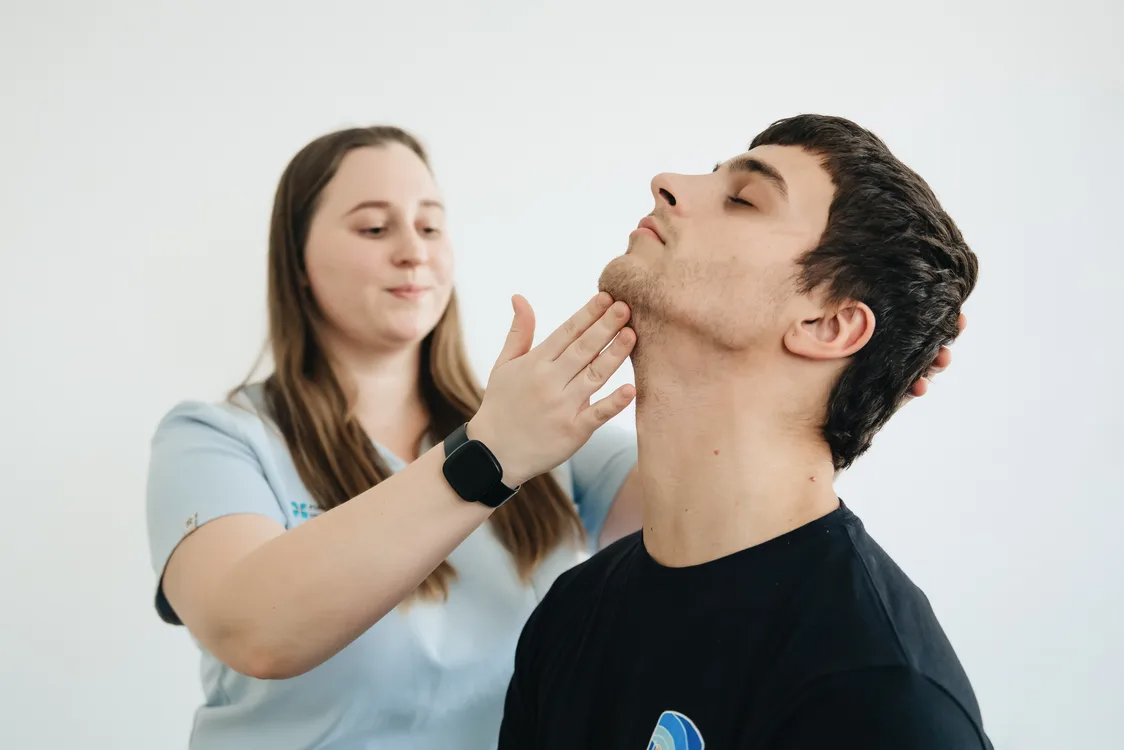
Breathing is something most people do without thinking. Yet the way we breathe can affect how the neck, shoulders, ribs, and upper back work together. When breathing becomes shallow or mainly focused in the upper chest, some muscles around the neck and shoulders may work harder than they should.
This can happen during stress, long hours at the desk, poor sleep, or periods of pain. Some people notice that their shoulders lift when they breathe in. Others feel tight across the chest or find it hard to take a calm breath. These signs do not always indicate a serious problem, but they can indicate that the body is under strain.
Research and learning sources, such as the Journal of Osteopathic Medicine, continue to discuss body function and care from an osteopathic view. This kind of whole-body view can be helpful when neck and shoulder tension is linked with breathing, posture, stress, or daily habits.
What Are Breathing Patterns?
A breathing pattern is the way a person breathes during rest, stress, and movement. Some people breathe mainly through the upper chest. Others use the lower ribs and diaphragm more.
The diaphragm is the main breathing muscle. It sits below the lungs and helps draw air in and out. When it moves well, the lower ribs and abdomen may move gently with each breath. This does not mean the chest should stay still. It simply means the work of breathing is shared more evenly across the body.
Breathing patterns can change for many reasons. Stress, pain, illness, poor sitting habits, and lack of movement can all play a part. A person may not notice the change at first. Over time, though, the neck and shoulder area may start to feel tight, tired, or sore.
How Neck and Shoulder Muscles Help with Breathing
The body has extra muscles that help with breathing when needed. These include muscles around the neck, upper chest, and shoulders. They can help lift the rib cage when the body needs more air, such as during exercise or breathlessness.
The problem can start when these support muscles are overused during normal breathing. If the upper chest and shoulders are overworked, the muscles may become tense, sore, or tired.
This can lead to neck stiffness, shoulder tightness, upper back discomfort, or a feeling of pressure across the chest. These signs can have many causes, so it is best not to guess. A proper assessment can help show what may be involved.
Why Stress Can Change Breathing
Stress can change how a person breathes. When the body feels under pressure, breathing may become quicker or shallower. The shoulders may lift. The jaw may tighten. The neck muscles may stay active for longer than usual.
This is one reason stress can be felt in the body. It affects muscles, movement, and breathing. For some people, this creates a cycle. Stress changes breathing. Breathing adds to tension. Tension makes the person feel even more uncomfortable.
Breathing work alone may not fix neck or shoulder pain. Pain is often linked to several factors. Still, noticing breathing habits can be a helpful first step, especially when tension appears during busy or stressful days.
Signs Your Breathing May Be Adding to Tension

There are a few signs that breathing patterns may be part of neck or shoulder tension. These signs do not point to a single cause, but they can help people know when to seek advice.
You may notice that your shoulders rise when you breathe in. Your breath may feel shallow during stress. Your neck may feel tight after long periods at a desk. Your upper chest may feel tense, and you may find it hard to take a relaxed breath.
Some people also notice that the jaw, neck, and shoulders tighten simultaneously. Others feel upper back tiredness or headaches linked with neck tension.
If symptoms are ongoing, severe, or getting worse, it is best to speak with a health professional. Chest pain, fainting, sudden weakness, sudden numbness, speech changes, or severe shortness of breath should be checked urgently.
How Desk Work Can Make It Worse
Many people spend long hours sitting at a desk. Over time, this can affect how the upper body moves. A rounded sitting position may limit rib movement. A low screen may pull the head and shoulders forward. Long periods without breaks can also make muscles feel stiff.
Desk work can also cause mental strain. When work is busy, people may hold their breath, breathe from the upper chest, or tighten their shoulders without realising it. This can place more load on the neck and upper back.
Small changes may help. Stand up often. Move the ribs and shoulders. Check that the screen is at a comfortable height. It may also help to pause a few times a day and notice whether the breath feels relaxed or tense.
Simple Ways to Notice Your Breathing
You do not need special equipment to notice your breathing. A simple check can help you understand what your body is doing.
Sit or lie down in a comfortable position. Place one hand on your upper chest and one hand near your lower ribs. Breathe as you normally would. Notice which hand moves more. If the upper chest moves a lot and the lower ribs barely move, you may be using more upper chest breathing.
You can also check whether your shoulders lift when you breathe in. If they do, let them soften before the next breath. Do not force a deep breath. Forced breathing can make some people feel dizzy or uneasy.
The aim is awareness, not perfection. Breathing should feel gentle and comfortable.
Gentle Habits That May Help
Simple habits may support easier breathing and reduce tension. These should be used as part of wider care, not as a cure for all pain.
Try taking short pauses during the day. Let the shoulders drop and breathe gently through the nose if that feels comfortable. Allow the lower ribs to move slightly as you breathe. Keep the breath quiet and easy rather than large or forced.
Light movement may also help. Gentle shoulder rolls, short walks, and changing position often can reduce stiffness. Some people find it useful to gently stretch the chest or upper back, as long as it does not cause pain.
If you have asthma, lung disease, chest pain, dizziness, or other medical concerns, ask a doctor or another health professional before trying breathing exercises.
How an Osteopath May Assess Neck and Shoulder Tension
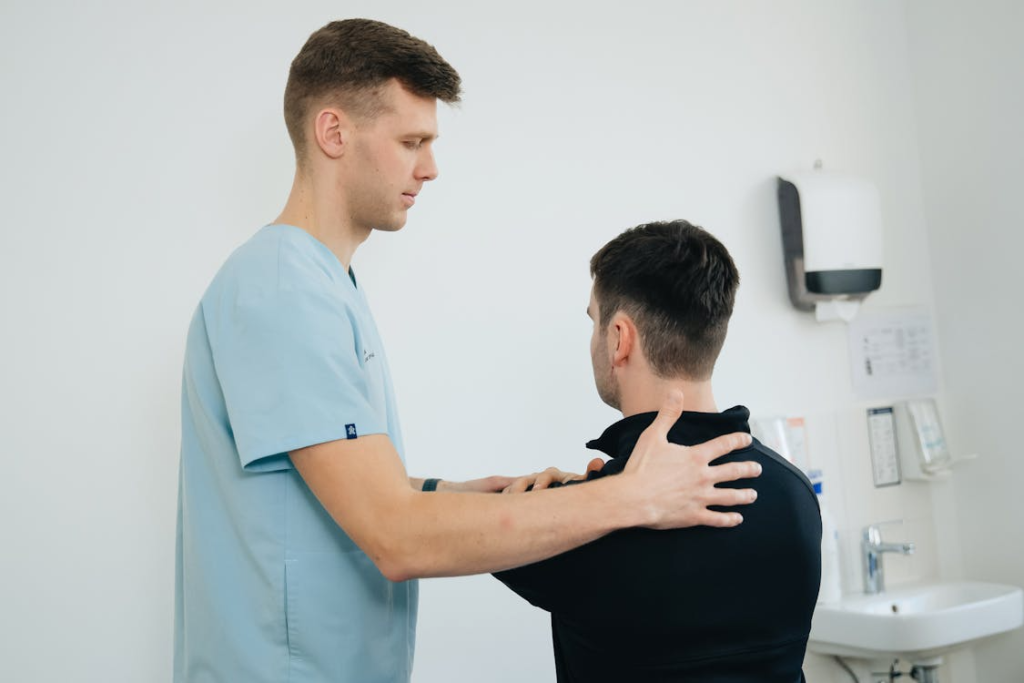
An osteopath might examine areas other than the sore part.They may assess neck, shoulder, rib, and upper back mobility. They may also ask about work habits, stress, exercise, sleep, past injuries, and how symptoms started.
During the assessment, they may observe how the body moves during breathing. They may check whether the neck and shoulder muscles are working harder than expected. They may also look for signs that need medical referral.
Osteopathic care may offer several benefits for people with muscle and joint concerns, especially when treatment is based on a proper assessment. Care may include hands-on treatment, movement advice, breathing awareness, and simple home guidance.
When to Seek Help
Neck and shoulder tension is common, but it should not be ignored if it keeps returning. Seek advice if pain affects work, sleep, driving, exercise, or daily tasks. It is also worth checking whether the area feels stiff, weak, or restricted.
For ongoing tension, an osteopathic assessment may help identify whether breathing, movement, desk habits, or muscle strain may be linked. Clinics such as Arc Osteopathy may support people who want a clearer understanding of what is adding to their neck and shoulder discomfort.
Get urgent medical help if you have chest pain, severe shortness of breath, fainting, sudden weakness, sudden numbness, speech changes, or pain after a serious injury. These signs need prompt care.
Final Thoughts
Breathing patterns can affect more than the lungs. When breathing becomes shallow or chest-led, the neck and shoulder muscles may take on extra work. Over time, this can add to tightness, stiffness, or discomfort.
Small changes can help people become more aware of these patterns. Gentle movement, regular breaks, and support from a qualified professional may help reduce strain. If neck and shoulder tension keep coming back, it may be worth looking at how breathing, movement, and daily habits work together.
READ ALSO: Best Health Colleges in the Persian Gulf



Post Comment