What Is a Celebration of Life Service?
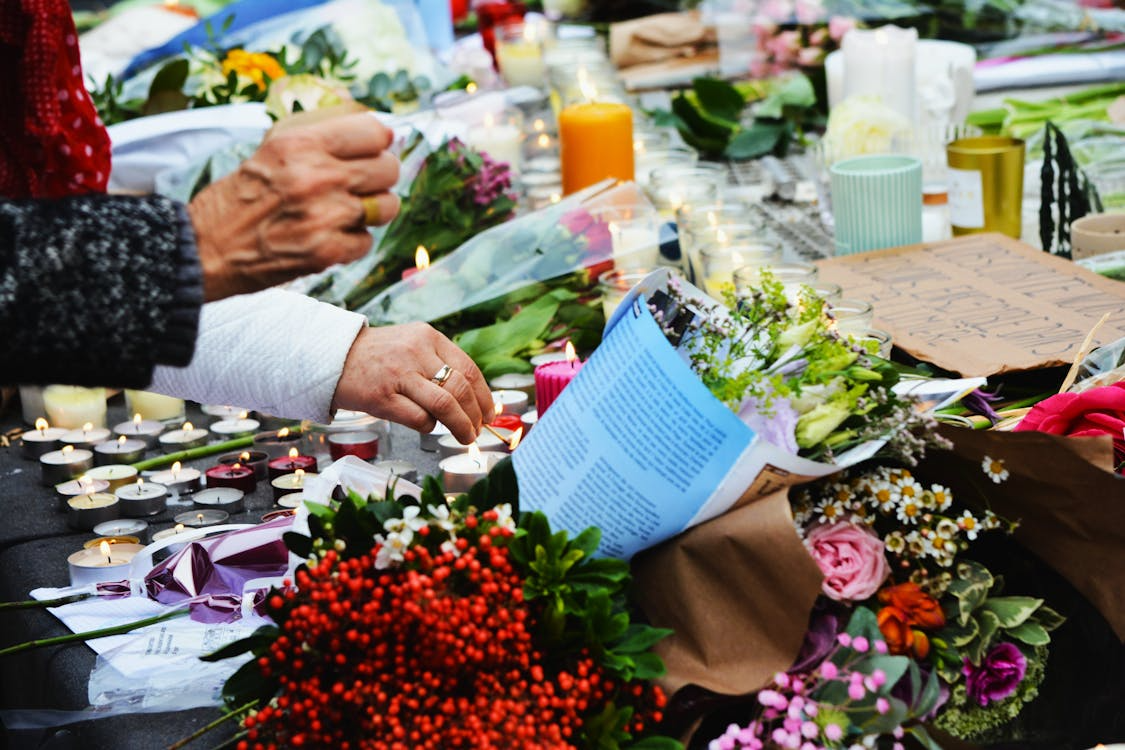
A celebration of life service is a memorial gathering where family and friends remember someone who has died. It is often more personal and flexible than a traditional funeral. While a funeral may follow familiar customs, a celebration of life usually focuses on memories, stories, music, photos, and the person’s character.
It can take place before or after burial or cremation. Some families hold it soon after the death, while others wait weeks or months so relatives and friends have more time to travel and prepare.
The service can be religious, non-religious, spiritual, formal, relaxed, large, or small. Some families choose quiet readings and music. Others prefer food, speeches, laughter, and photo displays. The main purpose is to honour the person as they lived and give loved ones a gentle way to support each other.
How Is It Different from a Traditional Funeral?
A traditional funeral often follows a set order. This may include a viewing, prayers, hymns, a eulogy, and burial or cremation. It may take place in a church, chapel, crematorium, funeral home, or another formal place.
A celebration of life is usually more flexible. The family can choose the time, place, tone, music, speakers, readings, food, and special moments. It can also be held with or without the body present.
One option is not better than the other. Some families prefer a traditional funeral because it gives structure during a painful time. Others want a less formal gathering where guests can talk, share memories, and remember the person more personally.
Many families choose parts of both. They may have a private funeral first, then celebrate life later for wider family, friends, neighbours, workmates, and community members.
The main difference is the focus. A funeral often marks the death and follows set customs. A celebration of life focuses more on memory, personality, and the effect the person had on others.
What Happens During a Celebration of Life Service?
A celebration of life service often begins with a welcome from the event’s leader. This may be a celebrant, a funeral director, a minister, a family member, or a friend. The welcome explains why everyone has gathered and sets the tone for the day.
After that, there may be readings, prayers, poems, music, or short talks. Family members and friends may share stories about the person who has died. These stories can bring comfort because they show the person in everyday life.
Guests may hear about the person’s childhood, work, marriage, friendships, hobbies, jokes, habits, and values. Someone may speak about their kindness. Another may remember their cooking, gardening, music, humour, or advice.
Music is often part of the service. Families may choose songs the person loved, hymns, live music, or soft background music. A slideshow or video tribute may also show photos from different stages of life.
Some services include a symbolic act, such as lighting candles, planting a tree, placing flowers, writing memory cards, sharing a toast, or holding a moment of silence. Small gestures are often the most personal because they connect directly with the person’s life.
Where Can a Celebration of Life Be Held?
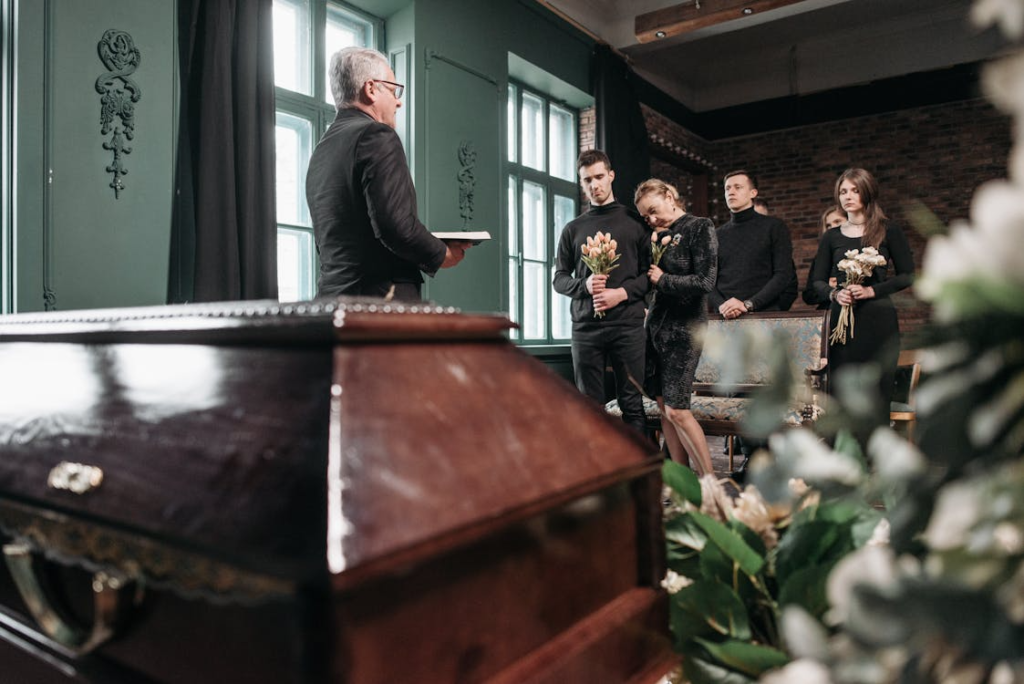
A celebration of life can be held in many places. The right choice depends on the family’s wishes, the guest list, the budget, and the type of service being planned.
Common places include funeral homes, crematorium chapels, community halls, hotels, restaurants, gardens, family homes, parks, clubs, and places of worship.
The place may also reflect the person’s life. Someone who loved nature may be remembered in a garden. Someone who loved music may be remembered in a hall with live music. Someone who enjoyed family meals may be remembered through shared food at home or in a restaurant.
The place should feel personal and work well for guests. Families may need to think about seating, parking, toilets, access for older guests, weather, sound systems, food, and privacy.
Practical details are important because they help the day run more smoothly. When guests can arrive safely, hear the speakers clearly, and feel comfortable in the space, they can focus more fully on remembering the person.
Why Families Choose a Celebration of Life
Families often choose a celebration of life because it can reflect the person’s real character. It may suit someone who did not want a formal funeral, or whose life was full of humour, music, friendships, family ties, and personal interests.
A celebration of life can also allow more time. Traditional funerals often happen within a shorter period after death. A celebration of life may be held later, giving relatives and friends more time to travel and prepare.
Some families choose this type of service because it can feel gentler. The day may still be sad, but it can include laughter, food, stories, songs, and comfort. This can help people remember the person as they were in life, not only through the sadness of their death.
This kind of gathering can also help children and younger family members understand the person’s life. Photos, stories, and keepsakes can make memories easier to share. A child may not understand every part of grief, but they can understand a story, a song, or a favourite object.
Supporting Family Members During Grief
Grief can affect people in many ways. Some may feel numb. Others may feel angry, tired, confused, or unable to focus. Sleep, appetite, work, and daily routines can all be affected after a loss. Because grief can affect both the body and mind, families may need support with their mental health as they adjust.
A celebration of life service cannot remove grief, but it can give people a shared place to remember and speak openly. This can help when emotions feel difficult to explain.
Support from family, friends, bereavement groups, and professionals can also help families find practical ways to overcome grief while caring for their wellbeing.
It is also important to remember that grief does not follow one clear pattern. Some people want to talk. Others need quiet. Some feel ready to plan soon after the death, while others need more time. A flexible service can give families space to honour these differences.
How to Plan a Celebration of Life Service
Planning a celebration of life begins with one main question: what would feel true to the person being remembered?
The answer can guide the tone, place, music, speakers, and details of the day.
Start by choosing a date and location. Then decide whether the service will be private or open to a wider group. The family may want a small gathering for close relatives. They may also invite friends, neighbours, workmates, and community members.
Next, choose someone to lead the service. This person should be calm, clear, and able to guide the event with care. They may be a celebrant, a faith leader, a family member, a close friend, or a funeral professional. Families who need calm support with planning may contact Compassionate Funerals for help shaping the order of the day.
After that, plan the order of service. This may include a welcome, readings, music, speeches, a slideshow, a symbolic act, and closing words.
It is best to keep the order simple. Grief can make the day feel heavy, so the plan should support people rather than tire them. Families should also decide who will speak, ask speakers in advance, and give them a rough time limit. A short, honest memory is often more moving than a long speech.
Simple Ideas for a Celebration of Life
There are many simple ways to make a celebration of life feel personal. A memory table can include photos, letters, flowers, books, awards, recipes, artwork, clothing, or other items that reflect the person’s life.
A photo slideshow can also help guests remember different times and relationships. It may include childhood photos, family events, holidays, work moments, and everyday scenes.
Guests may be invited to write short memories. These can be placed in a memory box, guest book, or shared display. Other ideas include planting a tree, lighting candles, creating a charity collection, sharing a favourite recipe, wearing a chosen colour, or giving guests a small keepsake.
Families may also choose music that meant something to the person. This could be a favourite song, a hymn, a piece of classical music, or a song linked to a shared memory. Music often helps people feel what words cannot fully express.
Food can also be meaningful. Some families serve the person’s favourite meal, drink, or dessert. Others keep things simple with tea, coffee, and light refreshments. The choice does not need to be grand. It only needs to feel suitable for the person and manageable for the family.
These details should not feel forced. The aim is to honour the person with care.
A Gentle Way to Remember
A celebration of life gives loved ones a personal way to honour someone who has died. It gives family and friends space to share stories, listen to music, view photos, and support one another.
The service can be formal or relaxed, religious or non-religious, small or large. What matters is that it feels sincere and reflects the person being remembered.
Families who need support with planning a thoughtful and respectful service may speak with a compassionate funeral director for calm guidance during a difficult time.
READ ALSO: Top Facts About Gail Ernst You Didn’t Know Before



Post Comment