Authorised Medical Attendant: Complete Guide, Benefits & Eligibility
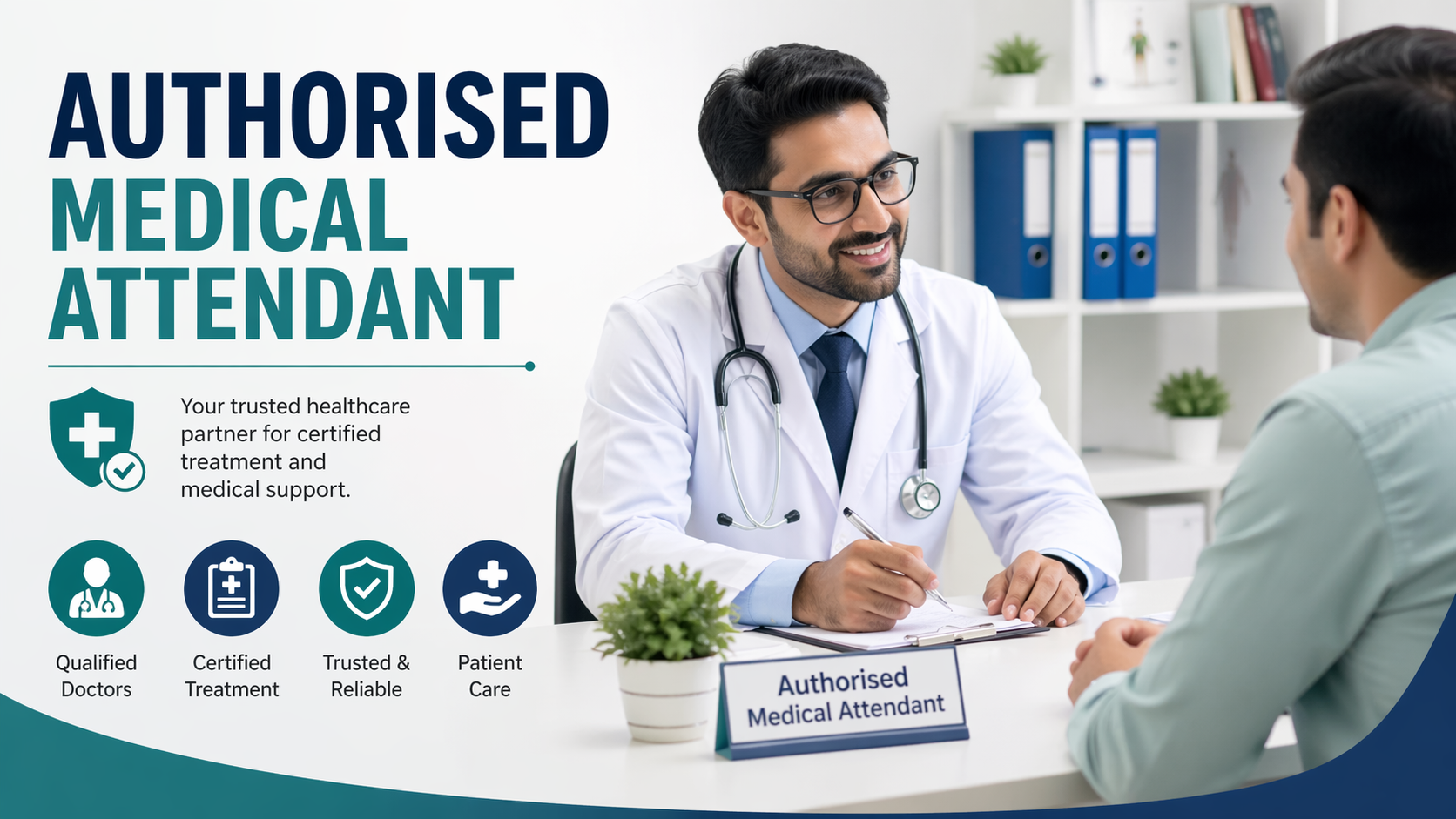
The concept of an authorised medical attendant plays a crucial role in many government and institutional healthcare systems, especially in countries where employees are entitled to medical reimbursement or subsidized treatment. While the term may sound technical, it essentially refers to a medical professional officially recognized by a governing body to provide treatment, certify illness, and validate medical claims for reimbursement or leave purposes. Understanding how an authorised medical attendant works, who qualifies, and what benefits are associated with this role can save both employees and patients from confusion, delays, and rejected claims.
This comprehensive guide explores everything you need to know about authorised medical attendants—from their definition and responsibilities to eligibility rules, benefits, and the process of claiming medical expenses.
What Is an Authorised Medical Attendant?
An authorised medical attendant is a registered medical practitioner who has been officially approved by a government department, public sector organization, or institution to provide medical care to its employees and their dependents. This doctor is empowered to diagnose illnesses, recommend treatments, and certify medical documents that are required for reimbursement or leave approvals.
Unlike general private practitioners, an authorised medical attendant holds a recognized status within a structured healthcare or administrative system. Their approval ensures that medical claims submitted by employees are legitimate and meet the standards set by the organization. This system is widely used in government sectors, defense services, railways, and other public institutions where medical benefits are provided as part of employment.
The role is not just limited to treatment; it also includes maintaining proper documentation, issuing medical certificates, and ensuring compliance with healthcare policies. Without certification from an authorised medical attendant, many claims may be rejected or delayed.
Importance of an Authorised Medical Attendant in Healthcare Systems
The presence of an authorised medical attendant ensures transparency, accountability, and efficiency in healthcare-related processes within organizations. It creates a standardized system where employees receive verified medical care while preventing misuse of medical benefits.
One of the key reasons for having authorised medical attendants is to avoid fraudulent claims. Since these professionals are officially recognized, their prescriptions and certificates carry legal and administrative weight. This helps organizations trust the authenticity of medical documents submitted by employees.
Additionally, authorised medical attendants act as a bridge between patients and administrative authorities. They ensure that treatments align with approved medical guidelines and that the costs involved are justified. This not only benefits the employer but also protects employees from unnecessary expenses or treatments.
Moreover, having a designated medical attendant simplifies the process for employees. Instead of searching for approved doctors or worrying about claim eligibility, they can directly consult an authorised professional who understands the system and its requirements.
Eligibility Criteria for Authorised Medical Attendants
Not every doctor can become an authorised medical attendant. There are specific eligibility criteria that must be met to receive official recognition. These criteria may vary depending on the country or organization, but generally include the following:
First and foremost, the doctor must possess a valid medical degree from a recognized institution. They must also be registered with the relevant medical council or licensing authority. This ensures that the practitioner meets professional standards and is legally allowed to practice medicine.
Experience is another important factor. Many organizations prefer doctors with a certain number of years in practice, as this indicates reliability and expertise. In some cases, specialists in particular fields may be given preference depending on the needs of the organization.
Approval from a competent authority is mandatory. This could be a government department, a medical board, or an administrative body responsible for healthcare services. Once approved, the doctor is officially listed as an authorised medical attendant and can begin providing services under that designation.
In some systems, doctors may also need to be attached to specific hospitals or clinics that are recognized by the organization. This ensures that both the practitioner and the healthcare facility meet required standards.
Roles and Responsibilities of an Authorised Medical Attendant
The responsibilities of an authorised medical attendant go far beyond basic medical treatment. They play a vital role in ensuring that healthcare services are delivered efficiently and in compliance with organizational rules.
One of their primary responsibilities is diagnosing illnesses and prescribing appropriate treatment. This includes recommending medications, therapies, or further investigations such as laboratory tests or imaging.
Another crucial duty is issuing medical certificates. These certificates may be required for sick leave, fitness to work, or medical reimbursement claims. Since these documents are used for official purposes, accuracy and honesty are essential.
Authorised medical attendants are also responsible for maintaining detailed medical records of patients. This documentation helps in verifying claims and ensures continuity of care. In case of disputes or audits, these records serve as important evidence.
They may also refer patients to specialists or higher medical centers if required. In such cases, they must ensure that referrals are justified and aligned with the organization’s healthcare policies.
Additionally, they play a role in advising patients about preventive healthcare measures, helping reduce long-term medical costs and promoting overall well-being.
Benefits of Having an Authorised Medical Attendant
The system of authorised medical attendants offers several benefits to both employees and organizations. One of the most significant advantages is the smooth processing of medical claims. Since the attending doctor is officially recognized, their prescriptions and certificates are less likely to be questioned or rejected.
For employees, this means faster reimbursement and reduced financial stress. They can receive timely treatment without worrying about whether their expenses will be approved.
Organizations also benefit from better control over healthcare expenses. By relying on authorised professionals, they can ensure that treatments are necessary and cost-effective. This helps in preventing misuse of medical benefits and maintaining financial discipline.
Another advantage is improved quality of care. Since authorised medical attendants are selected based on qualifications and experience, patients can trust that they are receiving competent medical attention.
The system also promotes accountability. Both the doctor and the patient are aware that the treatment and documentation are subject to review, which encourages ethical practices.
Process of Claiming Medical Reimbursement
Claiming medical reimbursement through an authorised medical attendant involves a structured process. While the exact steps may vary, the general procedure remains similar across most organizations.
The first step is to consult the authorised medical attendant for diagnosis and treatment. The doctor will provide prescriptions, medical reports, and any necessary certificates.
After receiving treatment, the employee must collect all relevant documents, including bills, prescriptions, test reports, and certificates issued by the authorised medical attendant. These documents must be complete and properly signed.
The next step is to fill out the reimbursement claim form provided by the organization. This form typically requires details such as the nature of illness, treatment received, and expenses incurred.
Once the form is completed, it must be submitted along with the supporting documents to the concerned department. The documents are then verified, and if everything is in order, the claim is approved.
In some cases, additional verification may be required, especially for high-value claims. However, having certification from an authorised medical attendant significantly reduces the chances of delays or rejections.
Common Rules and Regulations to Follow
To ensure smooth functioning of the system, there are certain rules and regulations associated with authorised medical attendants. Employees must be aware of these guidelines to avoid complications.
One important rule is that treatment must be taken from an authorised medical attendant unless there is an emergency. In emergency situations, treatment from other doctors may be allowed, but proper justification and documentation are required.
Another rule is timely submission of claims. Most organizations have a specific time limit within which reimbursement claims must be filed. Delayed submissions may lead to rejection.
Employees must also ensure that all documents are genuine and accurate. Any attempt to submit false information can result in disciplinary action.
In addition, there may be limits on the types of treatments or expenses that are covered. For example, certain cosmetic procedures or non-essential treatments may not be eligible for reimbursement.
Understanding these rules helps employees make informed decisions and avoid unnecessary issues.
Challenges and Limitations of the System
While the authorised medical attendant system offers many advantages, it is not without its challenges. One common issue is limited availability of authorised doctors, especially in remote areas. This can make it difficult for employees to access approved medical care.
Another challenge is the complexity of procedures. The requirement for multiple documents and approvals can sometimes be time-consuming and confusing, particularly for new employees.
There may also be situations where employees prefer to consult a specialist who is not on the authorised list. In such cases, reimbursement may not be possible, leading to dissatisfaction.
Additionally, delays in claim processing can occur due to administrative bottlenecks or incomplete documentation. While the involvement of an authorised medical attendant helps reduce such issues, it does not eliminate them entirely.
Despite these challenges, the system remains effective when properly implemented and followed.
Tips for Choosing the Right Authorised Medical Attendant
Selecting the right authorised medical attendant can make a significant difference in your healthcare experience. While the list of approved doctors is usually provided by the organization, there are still factors to consider when choosing one.
First, consider the doctor’s experience and specialization. If you have specific health concerns, it is advisable to choose a practitioner with relevant expertise.
Location is another important factor. Choosing a doctor who is easily accessible can save time and effort, especially during emergencies.
It is also helpful to consider patient reviews or feedback, if available. This can provide insights into the quality of care and professionalism of the doctor.
Communication is key in healthcare. A good authorised medical attendant should be approachable, willing to explain medical conditions, and provide clear guidance on treatment and documentation.
Making an informed choice ensures better care and smoother administrative processes.
Future of Authorised Medical Attendant Systems
With advancements in technology and healthcare systems, the role of authorised medical attendants is evolving. Digital health records, online consultations, and automated claim processing are transforming the way medical services are delivered and managed.
In the future, we can expect greater integration of digital platforms, making it easier for employees to access authorised medical attendants and submit claims. Telemedicine may also play a significant role, especially in areas where access to approved doctors is limited.
Organizations are increasingly focusing on preventive healthcare, and authorised medical attendants may take on a more proactive role in promoting wellness and early diagnosis.
While the core concept remains the same, these advancements are likely to make the system more efficient, transparent, and user-friendly.
Conclusion
The authorised medical attendant system is a vital component of structured healthcare benefits, particularly in government and institutional settings. It ensures that employees receive reliable medical care while maintaining accountability and transparency in the use of healthcare resources.
From understanding eligibility criteria and responsibilities to navigating the reimbursement process, having clear knowledge of how this system works can make a significant difference. While there are some challenges, the benefits far outweigh the limitations when the system is used correctly.
By choosing the right authorised medical attendant, following established rules, and staying informed about procedures, individuals can fully utilize the advantages of this system and ensure smooth access to medical care and financial support.




Post Comment