Best Olive Oil for Health: Top Choices for a Healthier Lifestyle
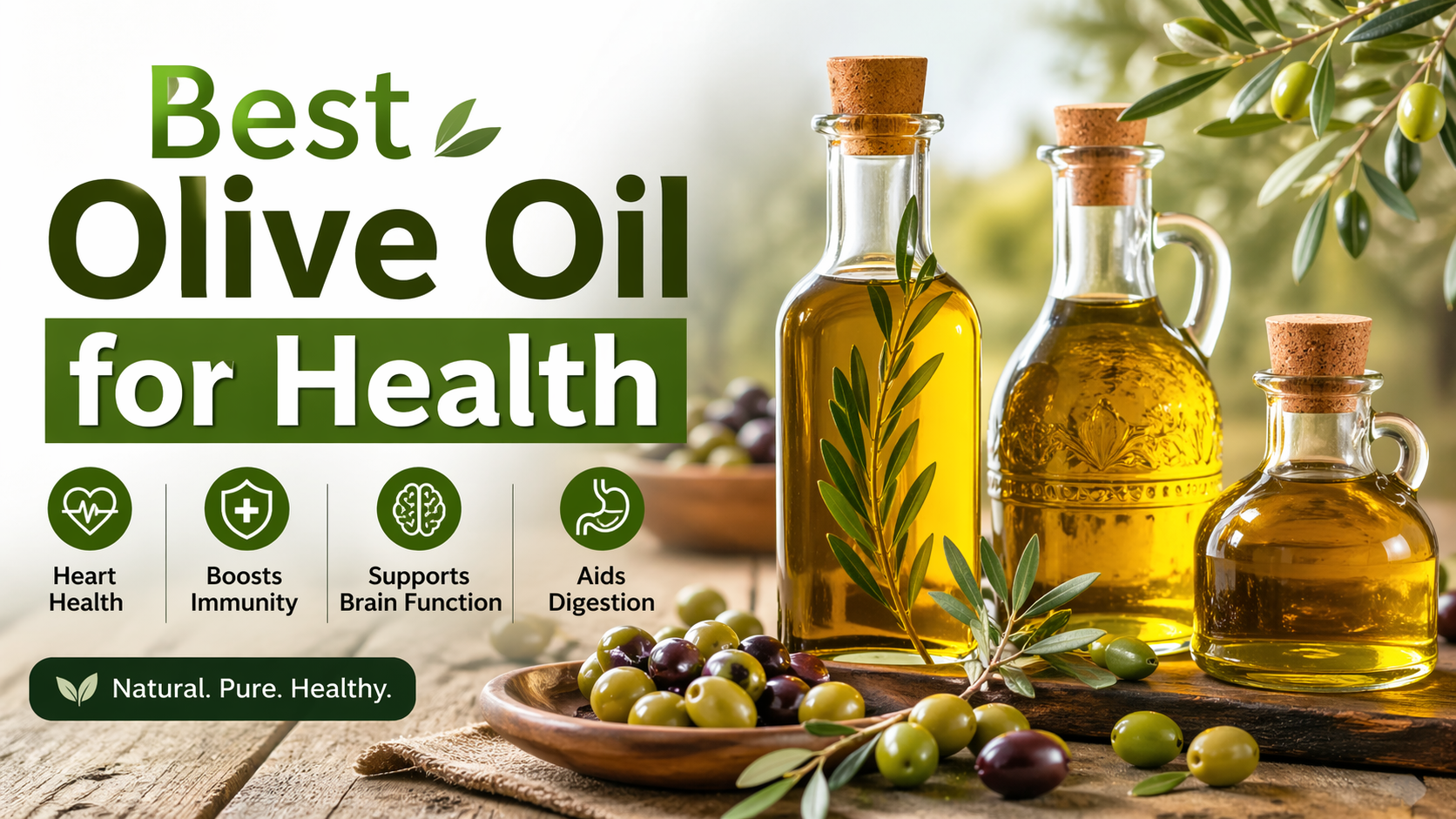
Olive oil has long been celebrated as one of the healthiest fats you can include in your diet. From ancient Mediterranean traditions to modern nutrition science, this golden liquid has earned its reputation as a cornerstone of wellness. But with so many options available today, choosing the best olive oil for health can feel overwhelming. Not all olive oils are created equal, and understanding the differences can make a significant impact on your health journey. In this comprehensive guide, we will explore everything you need to know—from the benefits and types to how to select the highest-quality olive oil for your daily use.
What Makes Olive Oil a Healthy Choice?
Olive oil is widely regarded as one of the healthiest fats due to its unique composition of nutrients and beneficial compounds. Unlike processed vegetable oils, olive oil is derived directly from olives, often through mechanical pressing without chemical treatment. This natural extraction helps preserve its nutritional integrity.
One of the primary reasons olive oil stands out is its high content of monounsaturated fats, particularly oleic acid. These fats are known to support heart health by reducing bad cholesterol (LDL) while maintaining or even increasing good cholesterol (HDL). Additionally, olive oil contains powerful antioxidants such as polyphenols and vitamin E, which help combat oxidative stress and inflammation in the body.
Regular consumption of high-quality olive oil has been linked to numerous health benefits, including reduced risk of heart disease, improved brain function, and better weight management. It also supports digestive health and may even play a role in reducing the risk of certain chronic diseases. However, these benefits are most prominent when you choose the best olive oil for health—typically one that is minimally processed and rich in natural compounds.
Types of Olive Oil: Understanding Your Options
To find the best olive oil for health, it’s essential to understand the different types available on the market. Each type varies in quality, processing method, and nutritional value.
Extra virgin olive oil (EVOO) is the highest quality and the most recommended for health purposes. It is made from pure, cold-pressed olives without the use of heat or chemicals. This process helps retain the oil’s natural flavor, aroma, and beneficial compounds, making it the most nutrient-rich option.
Virgin olive oil is slightly lower in quality than extra virgin but still retains a good amount of nutrients. It may have minor defects in flavor but remains a healthier choice compared to refined oils.
Refined olive oil, on the other hand, undergoes processing that removes many of its natural antioxidants and flavors. While it still contains monounsaturated fats, it lacks the rich nutrient profile of extra virgin olive oil.
Light olive oil is not lower in calories, as the name might suggest, but rather lighter in flavor and color. It is heavily processed and not ideal if your goal is to maximize health benefits.
When aiming for the best olive oil for health, extra virgin olive oil is consistently the top choice due to its purity and nutritional superiority.
Key Health Benefits of Olive Oil
The health benefits of olive oil are extensive and well-documented. Incorporating it into your daily diet can lead to noticeable improvements in overall well-being.
One of the most significant advantages is its ability to support heart health. Olive oil helps reduce inflammation and improves blood vessel function, which lowers the risk of cardiovascular diseases. Its healthy fats also help regulate cholesterol levels, making it a heart-friendly option.
Olive oil is also known for its anti-inflammatory properties. Chronic inflammation is linked to many diseases, including arthritis, diabetes, and even cancer. The antioxidants in olive oil help neutralize free radicals, reducing inflammation at the cellular level.
Another important benefit is brain health. Studies suggest that olive oil may help protect against cognitive decline and neurodegenerative diseases. Its compounds support memory and learning functions, making it a valuable addition to a brain-healthy diet.
Additionally, olive oil can aid in weight management. Despite being calorie-dense, it promotes satiety and reduces the likelihood of overeating. It also supports healthy digestion by improving gut function and nutrient absorption.
How to Choose the Best Olive Oil for Health
Selecting the best olive oil for health requires attention to several key factors. With so many brands and labels on the shelves, knowing what to look for can make all the difference.
First, always look for “extra virgin” on the label. This ensures that the oil is minimally processed and retains its natural nutrients. Avoid products labeled simply as “olive oil” or “pure olive oil,” as these are often refined.
Check the harvest date or production date. Freshness is crucial when it comes to olive oil, as its beneficial compounds degrade over time. Ideally, choose an oil that is less than 18–24 months old.
Packaging also matters. High-quality olive oil is usually stored in dark glass bottles or tins to protect it from light, which can cause oxidation and spoilage.
Another important factor is origin. Look for oils that specify a single country or region of origin rather than blends from multiple countries. Single-origin oils are often more transparent in quality and production standards.
Lastly, consider certifications such as organic or quality seals. While not always necessary, these can provide additional assurance of the oil’s authenticity and purity.
Best Olive Oil for Cooking vs. Raw Use
Understanding how to use olive oil is just as important as choosing the right one. The best olive oil for health can be used in various ways, but certain types are better suited for specific purposes.
Extra virgin olive oil is ideal for raw applications such as salad dressings, dips, and drizzling over cooked dishes. Its rich flavor and high antioxidant content make it perfect for maximizing health benefits.
For cooking, extra virgin olive oil can still be used, especially at low to medium heat. Contrary to common misconceptions, it has a relatively stable structure and can withstand moderate cooking temperatures without breaking down.
However, for high-heat cooking like frying, some people prefer refined olive oil due to its higher smoke point. While this may be practical, it comes at the cost of reduced nutritional value.
To get the most out of olive oil, it’s best to use extra virgin olive oil whenever possible, especially in ways that preserve its natural compounds.
Common Myths About Olive Oil
There are several myths surrounding olive oil that can lead to confusion when trying to choose the best olive oil for health.
One common myth is that olive oil should not be used for cooking. In reality, high-quality extra virgin olive oil is quite stable and safe for most cooking methods.
Another misconception is that all olive oils are equally healthy. As discussed earlier, the level of processing significantly affects the oil’s nutritional value. Refined oils lack many of the beneficial compounds found in extra virgin varieties.
Some people also believe that lighter-colored olive oil is better, but color is not a reliable indicator of quality. Factors such as olive variety and harvest time influence color more than nutritional content.
Lastly, there’s a myth that expensive olive oil is always better. While price can reflect quality, it’s not a guarantee. It’s important to look at labels, origin, and freshness rather than relying solely on cost.
Storing Olive Oil for Maximum Health Benefits
Proper storage is essential to maintain the quality and health benefits of olive oil. Even the best olive oil for health can lose its value if not stored correctly.
Olive oil should be kept in a cool, dark place away from direct sunlight and heat. Exposure to light and air can cause oxidation, which degrades the oil’s nutrients and flavor.
Always ensure the bottle is tightly sealed after use. Oxygen can quickly spoil the oil, reducing its effectiveness and taste.
Avoid storing olive oil near the stove or in warm areas of the kitchen. Heat accelerates the breakdown of beneficial compounds.
Using the oil within a reasonable timeframe is also important. While olive oil does not spoil in the traditional sense, it can go rancid over time, losing both flavor and nutritional value.
Incorporating Olive Oil into Your Daily Diet
Adding olive oil to your diet is simple and versatile. The best olive oil for health can enhance both the flavor and nutritional value of your meals.
You can start your day by drizzling olive oil over whole-grain toast or mixing it into smoothies for a healthy fat boost. It also works well in salad dressings when combined with lemon juice or vinegar.
Use olive oil as a base for sautéing vegetables or cooking lean proteins. It adds depth of flavor while supporting heart health.
You can even use olive oil as a healthier alternative to butter in many recipes, including baking. Its natural richness makes it a great substitute without compromising taste.
The key is consistency. Regular use of high-quality olive oil can contribute to long-term health benefits and improve overall dietary habits.
Final Thoughts on Choosing the Best Olive Oil for Health
Finding the best olive oil for health is not just about picking a bottle off the shelf—it’s about understanding what makes olive oil beneficial and how to use it effectively. Extra virgin olive oil stands out as the top choice due to its minimal processing and high concentration of nutrients.
By paying attention to factors like freshness, origin, and packaging, you can ensure that you’re getting a high-quality product that delivers real health benefits. Incorporating olive oil into your daily routine can support heart health, reduce inflammation, and enhance overall well-being.
Ultimately, olive oil is more than just a cooking ingredient—it’s a powerful tool for a healthier lifestyle. Making informed choices today can lead to lasting benefits for years to come.





Post Comment