Lingering Neck or Back Pain After a Crash? Gentle, Holistic Care for Auto Accident Injury Recovery

Understanding Auto Accident Injury Symptoms
Common Signs of Post-Collision Trauma
Even if you feel okay right after a car crash, your body might be dealing with more than you realize. The sudden jolt can cause muscles to tense up and ligaments to stretch or tear. You might notice pain, stiffness, or a reduced range of motion in your neck, back, or shoulders. Sometimes, headaches or dizziness can also pop up. It’s not uncommon for these symptoms to show up a day or two after the accident, so don’t dismiss them just because they aren’t immediate.
Recognizing Delayed Pain and Stiffness
One of the tricky things about auto accident injury is that the pain doesn’t always hit you right away. Your body releases adrenaline during a stressful event like a crash, which can mask initial discomfort. Over the next few hours or even days, as that adrenaline wears off, you might start feeling the effects. This delayed pain is often a sign of soft tissue damage, like strained muscles or sprained ligaments. Ignoring this can lead to bigger problems down the road, so it’s smart to pay attention to any new aches or stiffness.
The Impact of Force on Your Body
When a vehicle is involved in a collision, the forces at play are significant, even in seemingly minor incidents. Think about Newton’s first law – an object in motion stays in motion. Your body continues moving until something stops it. This rapid acceleration and deceleration can cause your spine to move in ways it’s not designed to, leading to issues like whiplash or disc problems. Even if you’re wearing a seatbelt, the force can still strain your neck, shoulders, and back. It’s this unseen internal stress that often causes the most trouble.
The forces involved in even a low-speed auto accident can cause significant stress on your body’s structures. What feels like a minor bump can lead to internal injuries that don’t become apparent until later.
Holistic Chiropractic Care for Recovery
After a car accident, your body has been through a lot, and sometimes the pain doesn’t show up right away. That’s where holistic chiropractic care comes in. It’s all about looking at the whole picture of your health, not just the immediate injury. We focus on getting your body back into its natural alignment so it can heal properly. Think of it like this: if your spine is out of whack, everything else can feel off too.
Gentle Spinal Adjustments for Alignment
One of the main things we do is gentle spinal adjustments. This isn’t about cracking your back forcefully. It’s about carefully applying pressure to specific points to help your vertebrae move back into their correct positions. When your spine is aligned, it helps your nervous system communicate better with the rest of your body. This can reduce pain and inflammation, which is a big deal when you’re trying to recover.
Targeted Massage Therapy for Soft Tissues
Car accidents often cause damage to your muscles, ligaments, and tendons – what we call soft tissues. Massage therapy is super helpful here. It works to relax those tight, injured muscles, increase blood flow to the area, and help break down any scar tissue that might be forming. This not only helps with pain but also gets things moving better, making it easier to do the exercises that will help you heal.
Physical Rehabilitation to Restore Function
Once the initial pain and inflammation start to calm down, we move into physical rehabilitation. This involves specific exercises and stretches designed to rebuild strength in the muscles that might have been weakened or injured. The goal is to restore your full range of motion and function, so you can get back to your normal activities without pain or fear of re-injury. We’ll work with you to create a plan that’s just right for your specific needs. For those in the Henderson area looking for this kind of care, Anthem Chiropractor focuses on recovery can make a real difference.
Addressing Specific Auto Accident Injuries
Relief for Persistent Neck Pain and Whiplash
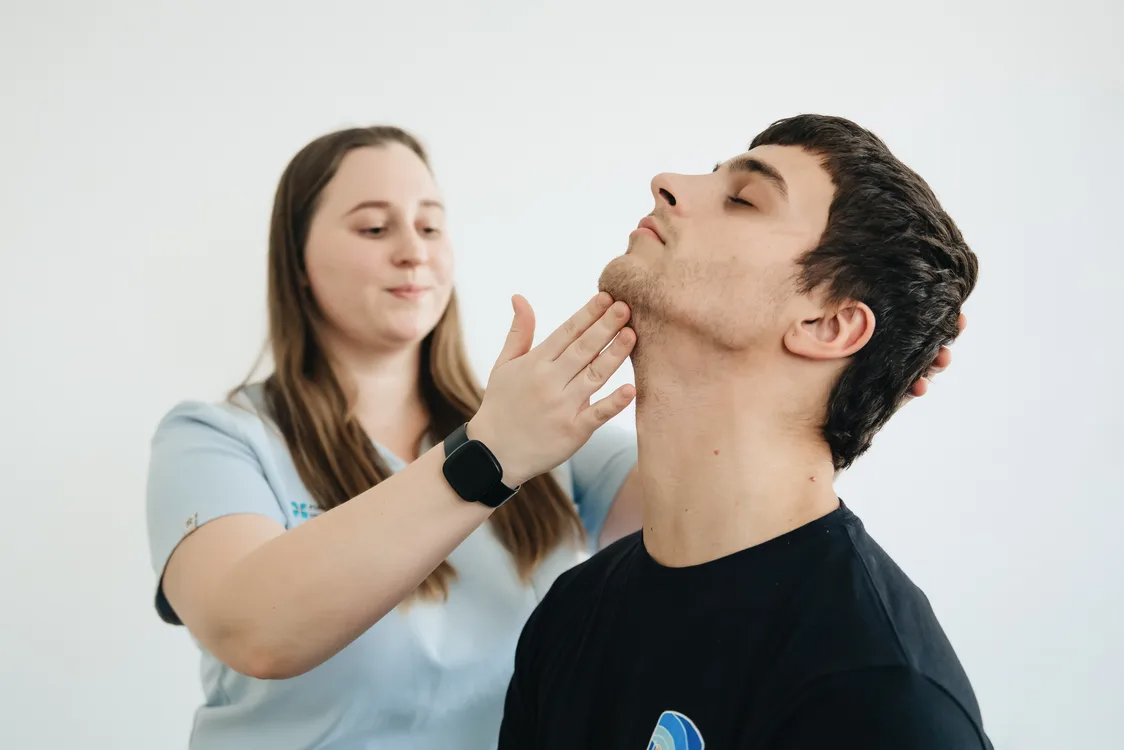
Neck pain and whiplash are incredibly common after a car crash. It happens when your head whips back and forth suddenly, like a cracking whip. This can really strain the muscles and ligaments in your neck. You might feel stiff, have trouble turning your head, or even get headaches. Sometimes, this pain can spread to your shoulders and arms too. It’s important to get this checked out because if it’s not treated right, it can turn into a long-term problem.
- Sudden Head Movement: The primary cause is the rapid acceleration-deceleration force during impact.
- Muscle and Ligament Strain: Soft tissues in the neck are stretched or torn.
- Nerve Irritation: Compressed nerves can lead to pain, numbness, or tingling.
- Delayed Symptoms: Pain might not show up right away; it can take hours or even days.
Even if you don’t feel much pain immediately after an accident, it’s wise to get your neck checked. Small injuries can become bigger issues if ignored.
Effective Treatment for Back Pain and Disc Issues
Your back takes a lot of impact during an accident. Even a minor fender-bender can cause enough force to misalign your spine or damage the discs between your vertebrae. These discs act like shock absorbers, and when they get injured, it can lead to serious back pain. We see a lot of bulging or herniated discs from car accidents. A bulging disc pushes out of its normal space, and a herniated disc is when the inner gel leaks out. Both can press on nerves, causing pain, stiffness, and loss of movement.
| Injury Type | Description |
| Bulging Disc | Outer layer weakens, disc protrudes, potentially pressing on nerves. |
| Herniated Disc | Inner gel leaks out, causing inflammation and nerve irritation. |
| Spinal Misalignment | Vertebrae shift out of place, stressing discs and nerves. |
Managing Shoulder and Leg Pain After a Crash
Accidents don’t just affect your neck and back. Your shoulders and legs can also take a beating. You might injure your rotator cuff in your shoulder from the force of impact or being thrown around. Leg pain can happen if you hit your knee or hip on the dashboard, or if a spinal injury affects the nerves running down your legs. Sciatica, where the sciatic nerve gets irritated, is a common cause of leg pain after an accident, leading to shooting pains, numbness, or tingling.
- Shoulder Injuries: Can include rotator cuff tears, strains, and sprains from impact.
- Leg Pain Causes: Hitting the dashboard, spinal nerve compression, or soft tissue damage.
- Sciatica Symptoms: Pain radiating down the leg, numbness, tingling, or weakness.
- Hip and Knee Injuries: Direct impact can cause pain, swelling, and reduced mobility.
We focus on finding the root cause of your pain, whether it’s in your neck, back, shoulders, or legs, and creating a plan to help you heal naturally.
The Importance of Prompt Auto Accident Injury Treatment
Preventing Chronic Pain and Long-Term Complications
It’s easy to think that if you walk away from a car accident without any obvious cuts or bruises, you’re probably fine. But that’s often not the case. The forces involved in a collision, even a seemingly minor one, can cause internal damage that doesn’t show up right away. Things like whiplash, where your head and neck snap back and forth, can strain muscles and ligaments. Or maybe a disc in your spine gets a little out of place. If these issues aren’t addressed early on, they can turn into bigger problems down the road. We’re talking about persistent pain, stiffness that never really goes away, and even reduced movement that can affect your daily life for years. Getting checked out by a professional soon after an accident is your best bet for avoiding these long-term issues.
The Role of Early Intervention in Healing
Think of healing like building something. You need a solid foundation. When you have an injury from an accident, that foundation might be a bit shaky. Early intervention means we can identify any weaknesses or damage right away and start working on fixing them. This could involve gentle adjustments to get your spine back in line, or specific exercises to help injured muscles start to recover. The sooner we can start this process, the more effectively your body can begin to repair itself. It’s like putting out a small fire before it spreads – much easier to manage and less damaging in the long run.
Why Even Minor Accidents Require Attention
Sometimes, people think, “It was just a fender bender, I’m sure I’m okay.” But even low-speed impacts can create significant forces on your body. Your body is designed to absorb some shock, but there’s a limit. When that limit is exceeded, even slightly, it can cause subtle injuries that might not be immediately apparent. These can include:
- Soft tissue strains (muscles, ligaments)
- Minor joint misalignments
- Disc irritation
- Nerve impingement
These might not cause severe pain right after the crash, but they can certainly lead to discomfort and problems later if left untreated. It’s always better to be safe than sorry and get a professional opinion, even if the accident seemed minor. A quick check-up can catch things you might not even feel yet.
Comprehensive Recovery Strategies
Nutritional Support for Accelerated Healing
After an accident, your body is working overtime to repair itself. Giving it the right building blocks can make a big difference in how quickly and effectively you heal. Think of it like trying to build a house – you need good quality materials. For your body, that means focusing on nutrient-dense foods. Things like lean proteins are important for tissue repair, while fruits and vegetables provide essential vitamins and antioxidants that help fight inflammation and support your immune system. Don’t forget healthy fats, too; they play a role in reducing inflammation and supporting brain health, which can be affected by trauma.
- Lean Proteins: Chicken, fish, beans, lentils for muscle and tissue repair.
- Fruits & Vegetables: Berries, leafy greens, citrus fruits for vitamins, minerals, and antioxidants.
- Healthy Fats: Avocados, nuts, seeds, olive oil for reducing inflammation.
- Whole Grains: Brown rice, quinoa, oats for sustained energy.
Sometimes, even with the best diet, it can be tough to get all the nutrients your body needs, especially when you’re recovering. Supplements can help fill those gaps, but it’s always best to talk to a healthcare provider before starting any new supplement regimen. They can help you figure out what’s right for you based on your specific needs and any other medications you might be taking.
Lifestyle Advice for Ongoing Wellness
Recovery isn’t just about the treatments you get in the office; it’s also about what you do in your daily life. Small changes can have a big impact. Getting enough quality sleep is super important because that’s when your body does a lot of its healing. Also, finding ways to manage stress is key. Stress can actually slow down healing and make pain feel worse. Simple things like deep breathing exercises, gentle walks, or spending time in nature can help.
- Prioritize Sleep: Aim for 7-9 hours of quality sleep per night.
- Stress Management: Practice mindfulness, meditation, or gentle yoga.
- Stay Hydrated: Drink plenty of water throughout the day.
- Gentle Movement: Incorporate light activity as recommended by your provider.
Collaborative Care with Medical Specialists
Sometimes, your recovery journey might involve more than just chiropractic care. It’s often beneficial to have a team of healthcare professionals working together to make sure you’re getting the best possible care. This could mean working with your primary care doctor, a physical therapist, or even specialists like orthopedists or neurologists, depending on your specific injuries. This teamwork approach helps ensure that all aspects of your recovery are addressed, from pain management to restoring full function. Open communication between all your providers is vital for a smooth and effective healing process.
Frequently Asked Questions
What should I do if I feel pain after a car accident, even if it’s not right away?
It’s common for pain and stiffness to show up a bit later, sometimes even hours or days after a crash. Even if it seems minor, it’s a good idea to get checked out by a doctor or chiropractor. They can find hidden injuries before they become bigger problems.
Can a chiropractor really help with neck pain from a car accident?
Yes! Neck pain, often called whiplash, is super common after accidents because of the sudden jolt. Chiropractors use gentle adjustments and other therapies to help your neck move better, reduce pain, and get back to normal.
My back hurts after the crash. What can a chiropractor do?
Car accidents can mess up your spine and the discs between your bones. A chiropractor can carefully check your back and use adjustments to put things back in place, ease pain, and help your body heal naturally. They might also use massage or exercises.
What if I have pain in my shoulders or legs after an accident?
Accidents can affect more than just your neck and back. Pain in your shoulders or legs can happen from the impact or if nerves get pinched. Chiropractors can treat these areas too, using adjustments, massage, and specific exercises to help you move without pain again.
Is it important to see a chiropractor even if the accident wasn’t that bad?
Definitely. Even small bumps can cause your body to move in ways that lead to injuries you might not feel right away. Getting checked early helps prevent pain from lasting a long time or causing other health issues down the road.
Besides adjustments, what else might a chiropractor do to help me recover?
A good chiropractor looks at your whole body. They might suggest special exercises to get stronger, give advice on eating healthy to help you heal faster, and even talk about ways to live that keep your body feeling good long-term. Sometimes they work with other doctors too.


Post Comment