Teen Braces: The Complete Guide for Parents and Teens in 2026
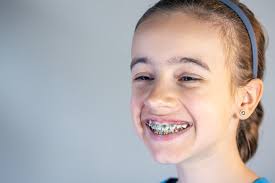
Teen braces have become more advanced, comfortable, and stylish than ever before. Years ago, braces often meant bulky metal brackets and uncomfortable tightening appointments. Today, teens can choose from clear aligners, ceramic braces, self-ligating systems, and even AI-powered orthodontic monitoring. Modern orthodontics focuses not only on straight teeth but also on confidence, jaw alignment, speech improvement, and long-term oral health.
Recent orthodontic research shows that teens and children account for over 56% of the global orthodontic market in 2025, proving that adolescence remains the ideal time for teeth correction. At the same time, studies reveal that millions of teenagers worldwide now prefer discreet options such as Invisalign because they fit modern lifestyles better.
Before diving into treatment options, costs, and care tips, let’s look at the full outline of this guide.
Why Teen Years Are the Best Time for Braces
Teenage years are often considered the golden window for orthodontic treatment. During adolescence, the jawbone is still growing and shifting naturally, which makes it easier for orthodontists to guide teeth into better positions. Trying to move teeth in adults can feel like pushing a heavy rock uphill because the bones are already fully developed. Teen teeth, however, respond faster and more efficiently to braces and aligners. That is why orthodontists commonly recommend treatment between ages 11 and 17.
Another major advantage involves emotional and social development. Teenagers are extremely aware of their appearance, especially in the age of selfies, social media, and video calls. Crooked or crowded teeth can affect confidence during school presentations, sports activities, and social interactions. Straightening teeth early often boosts self-esteem dramatically. Many teens report smiling more after beginning orthodontic treatment because they feel proactive about their appearance.
Recent studies published in orthodontic journals also show that untreated bite issues can contribute to long-term problems such as uneven tooth wear, jaw pain, headaches, and difficulty chewing. Addressing these concerns during adolescence reduces the chances of needing complex dental procedures later in life. Think of braces like fixing the foundation of a house before cracks spread everywhere. It is easier, cheaper, and more effective when done early.
Parents also appreciate that teenage treatment often produces predictable results. Because teens are still growing, orthodontists can guide both jaw development and tooth movement simultaneously. This combination creates stronger outcomes than simply shifting teeth alone.
Common Dental Problems Teen Braces Fix
Teen braces are not just about achieving a picture-perfect smile. Orthodontic treatment corrects many structural and functional problems that can affect daily life. One of the most common issues is crowding, where there simply is not enough space for teeth to fit properly. Crowded teeth can overlap, twist, or become difficult to clean, increasing the risk of cavities and gum disease.
Another frequent issue is spacing or gaps between teeth. Some teens naturally develop large spaces due to genetics or missing teeth. Braces gradually pull teeth closer together, creating a more balanced smile and better bite alignment. Crooked teeth also impact speech clarity for some teenagers, especially when front teeth overlap heavily.
Bite problems are another major reason teens get braces. An overbite occurs when the upper teeth stick too far over the lower teeth. An underbite happens when the lower jaw extends outward. Crossbites and open bites can also create uneven pressure during chewing. These problems may seem cosmetic at first glance, but they can strain jaw muscles and wear teeth down over time.
Research in orthodontics continues to highlight the high global prevalence of malocclusion, especially among children aged 10–12. This explains why braces remain one of the most common dental treatments for teenagers worldwide. Straight teeth are not simply about beauty. They support healthier gums, clearer speech, easier cleaning, and improved chewing efficiency.
Different Types of Teen Braces
Traditional Metal Braces
Metal braces remain the most common orthodontic treatment for teens. They use stainless steel brackets connected by wires that gradually shift teeth into alignment. Modern versions are smaller, lighter, and more comfortable than older designs. Many teens enjoy customizing them with colorful elastic bands, turning braces into a fashion statement instead of something embarrassing.
Ceramic Braces
Ceramic braces function similarly to metal braces but use tooth-colored or clear brackets. They are less noticeable and appeal to teens who want a more subtle look. However, ceramic braces can stain more easily if oral hygiene is poor, especially when consuming coffee, soda, or colorful foods regularly.
Invisalign and Clear Aligners
Clear aligners like Invisalign have exploded in popularity among teenagers. In fact, over 4.5 million teens worldwide reportedly use Invisalign systems as of 2025. These removable trays gradually move teeth without metal brackets or wires. Teens appreciate their nearly invisible appearance and flexibility during meals or sports.
Which Option Works Best for Active Teens
Choosing between braces and aligners depends heavily on personality and lifestyle. Traditional braces work well for forgetful teens because they remain attached to the teeth 24/7. Invisalign demands discipline since aligners must stay in place for 20–22 hours daily. Multiple orthodontic experts note that compliance determines success more than the appliance itself.
Here’s a quick comparison table:
| Feature | Metal Braces | Ceramic Braces | Invisalign |
|---|---|---|---|
| Visibility | High | Medium | Very Low |
| Removable | No | No | Yes |
| Best for Complex Cases | Excellent | Excellent | Moderate |
| Requires Discipline | Low | Low | High |
| Food Restrictions | Yes | Yes | Minimal |
| Sports Friendly | Moderate | Moderate | High |
How Teen Braces Actually Work
Braces may look simple from the outside, but the science behind them is fascinating. Orthodontic treatment works by applying continuous, gentle pressure to teeth over time. This pressure slowly moves teeth through the jawbone into better positions. Bone tissue naturally breaks down and rebuilds around the moving teeth, allowing permanent repositioning.
The process happens gradually because moving teeth too quickly can damage roots or surrounding tissue. Orthodontists carefully adjust wires or provide new aligners every few weeks to keep progress steady. Most teens wear braces between 18 and 24 months depending on case complexity.
Modern orthodontics now includes digital scanning, AI-assisted treatment planning, and remote monitoring apps. Some orthodontists even use 3D-printed braces and AI software to shorten treatment time while improving precision. It is almost like upgrading from paper maps to GPS navigation. Technology has completely changed the orthodontic experience.
Signs Your Teen May Need Braces
Many parents wonder whether their teen actually needs braces or simply wants them for cosmetic reasons. Several warning signs suggest orthodontic evaluation is worthwhile. Crooked teeth are obvious indicators, but bite problems can be less noticeable.
Watch for symptoms such as mouth breathing, difficulty chewing, jaw clicking, teeth grinding, or speech issues. Teens who frequently bite their cheeks or struggle to floss between crowded teeth may also benefit from orthodontic treatment. Losing baby teeth unusually early or late sometimes signals alignment problems as well.
Dentists often recommend orthodontic screenings around age seven, even if treatment begins later. Early evaluations allow orthodontists to monitor jaw growth and identify future issues before they become severe. Think of it like spotting a small crack in a windshield before it spreads across the glass.
What Happens During the First Orthodontic Consultation
The first orthodontic visit is usually straightforward and painless. Orthodontists begin by examining the teeth, gums, and jaw alignment. Digital X-rays and 3D scans help create a detailed map of the mouth. These images reveal hidden issues such as impacted teeth or jaw imbalances.
After reviewing the scans, the orthodontist explains treatment options and estimated timelines. Teens often appreciate seeing digital previews of their future smiles because it makes the process feel exciting rather than intimidating. Parents can also discuss payment plans, insurance coverage, and appointment schedules during this visit.
Many clinics now use advanced scanners instead of messy dental impressions. This technology improves accuracy while making the experience more comfortable for nervous teens.
Average Cost of Teen Braces in 2026
Orthodontic treatment costs vary significantly depending on location, complexity, and treatment type. Traditional metal braces typically cost less than ceramic braces or Invisalign. Clear aligners often carry higher fees because of custom digital manufacturing and advanced planning software.
| Treatment Type | Average Cost Range |
|---|---|
| Metal Braces | $3,000 – $7,000 |
| Ceramic Braces | $4,000 – $8,000 |
| Invisalign Teen | $4,000 – $9,000 |
Insurance plans sometimes cover a portion of orthodontic treatment for minors. Many orthodontic offices also provide monthly financing plans to make treatment more affordable for families.
It is important to remember that braces are a long-term investment in health and confidence. Straight teeth can reduce future dental costs associated with cavities, gum disease, and uneven wear.
Teen Braces Treatment Timeline
Every orthodontic journey looks slightly different. Mild crowding may require only one year of treatment, while severe bite issues can take closer to three years. Most teens fall somewhere between 18 and 24 months.
The first few months usually involve noticeable movement as crowded teeth begin shifting. Mid-treatment focuses on bite correction and fine adjustments. Final stages perfect alignment and stabilize results. Orthodontists often celebrate progress milestones because staying motivated matters during lengthy treatment.
Some newer systems claim faster results using advanced technology and remote monitoring. However, healthy tooth movement still requires patience. Rushing the process can compromise long-term stability.
Pain and Comfort Levels During Treatment
One of the biggest fears teens have about braces is pain. The truth is that braces cause discomfort more than actual pain. Teeth may feel sore for a few days after adjustments because pressure is actively moving them. Eating soft foods during these periods usually helps.
Clear aligners often feel slightly more comfortable because they lack brackets and wires that can irritate cheeks or lips. Studies comparing braces and aligners also show differences in side effects and oral tissue irritation. Orthodontic wax, cold drinks, and over-the-counter pain relief can make the adjustment period easier.
Most teens adapt surprisingly quickly. What feels strange during the first week soon becomes part of daily life.
Foods Teens Should Avoid With Braces
Braces require certain food restrictions to avoid broken brackets and bent wires. Sticky candies, popcorn kernels, chewing gum, and hard nuts are common troublemakers. Crunching ice or biting directly into apples can also damage braces.
Here are foods orthodontists usually recommend avoiding:
- Caramel and sticky candy
- Hard chips and popcorn
- Whole apples and corn on the cob
- Chewing gum
- Ice cubes
- Hard nuts
Invisalign users enjoy more flexibility because aligners are removable during meals. However, trays must always be cleaned properly before reinsertion.
Oral Hygiene Tips for Teens With Braces
Good oral hygiene becomes even more important during orthodontic treatment. Food particles easily become trapped around brackets and wires, increasing the risk of cavities and white spot lesions. Recent meta-analyses continue to highlight the prevalence of enamel issues during orthodontic treatment.
Teens should brush after every meal using fluoride toothpaste and orthodontic-friendly brushes. Flossing tools like threaders or water flossers make cleaning easier around wires. Mouthwash can also help reduce bacteria buildup.
Neglecting oral hygiene during braces is like washing a car while ignoring the engine. The outside may look fine temporarily, but hidden damage builds underneath.
Sports and Musical Instruments With Braces
Active teens often worry about how braces affect sports or music. Fortunately, orthodontic treatment rarely prevents participation in favorite activities. Athletes can wear orthodontic mouthguards to protect braces and teeth during contact sports.
Musicians who play wind instruments may need short adjustment periods while learning new mouth positioning. Most teens adapt quickly after a few practice sessions. Clear aligners provide added convenience because they can be removed briefly during performances.
Teen Braces and Self-Confidence
Teenagers are deeply connected to appearance and social acceptance. Crooked teeth sometimes lead to embarrassment, teasing, or reluctance to smile in photos. Orthodontic treatment often becomes more than a cosmetic journey. It becomes an emotional transformation.
Many teens initially fear braces will make them stand out negatively. Ironically, braces have become so common that they are now viewed as normal or even stylish in some social circles. Colorful bands, ceramic options, and invisible aligners give teens more control over their appearance than ever before.
Confidence usually grows throughout treatment because teens can visibly see improvement month after month. Watching teeth gradually align feels rewarding and empowering.
Braces vs Invisalign for Teens
The braces-versus-Invisalign debate continues everywhere from dental offices to social media. Both options can produce excellent results when used correctly. The right choice depends on lifestyle, discipline, and orthodontic complexity.
Metal braces remain superior for severe crowding, large bite corrections, and complicated tooth movements. Invisalign works beautifully for motivated teens who consistently wear aligners as instructed. Orthodontists frequently emphasize that compliance matters more than the appliance itself.
Here’s another comparison:
| Factor | Braces | Invisalign |
|---|---|---|
| Best for Severe Cases | Yes | Limited |
| Easy to Lose | No | Yes |
| Appearance | Noticeable | Nearly Invisible |
| Requires Discipline | Less | More |
| Cleaning Convenience | Moderate | Easy |
Common Problems During Orthodontic Treatment
Even successful orthodontic treatment comes with occasional frustrations. Broken brackets, lost aligners, poking wires, and mild soreness are common challenges. Fortunately, most problems are easy to fix with quick orthodontic visits.
Some teens struggle emotionally with long treatment timelines. Others become careless about oral hygiene or forget aligners regularly. Parents play an important role in helping teens stay consistent and motivated.
Orthodontists also warn against DIY teeth-straightening kits promoted online. Professional supervision is essential because improper tooth movement can damage roots and jaw structures permanently.
Modern Technology Changing Teen Orthodontics
Orthodontics in 2026 looks completely different from the industry twenty years ago. AI-assisted planning, digital scanning, 3D printing, and remote monitoring apps now improve both speed and convenience.
Some orthodontists use smartphone monitoring systems that allow teens to submit weekly progress photos from home. This reduces unnecessary office visits and helps orthodontists catch problems earlier.
3D-printed braces and custom-designed aligners also create more precise tooth movement. Technology is transforming orthodontics from a reactive process into a highly personalized experience.
Retainers After Braces
Braces may eventually come off, but treatment does not truly end there. Retainers are essential for keeping teeth in their new positions. Teeth naturally try to drift back over time, especially during the first year after braces.
Orthodontists typically recommend wearing retainers full-time initially before transitioning to nighttime use. Skipping retainer wear is one of the fastest ways to undo years of orthodontic progress.
Think of retainers as the security guards protecting your investment. Without them, teeth may slowly wander back toward old positions.
How Parents Can Support Their Teen
Orthodontic treatment works best when parents stay involved without becoming overly controlling. Encouraging good hygiene, attending appointments, and celebrating progress milestones all help teens remain motivated.
Parents should also recognize the emotional side of braces. Some teens feel insecure initially, especially during school photos or social events. Reassurance and positivity go a long way during these moments.
Small rewards for good aligner compliance or excellent brushing habits can also keep treatment on track. Supportive parenting turns orthodontics from a stressful obligation into a shared family achievement.
Conclusion
Teen braces have evolved into a modern, customizable, and highly effective solution for improving oral health and self-confidence. Whether a teen chooses traditional metal braces, ceramic options, or clear aligners, the ultimate goal remains the same: creating a healthy, balanced smile that lasts for years.
Modern orthodontics now combines science, technology, and aesthetics in ways previous generations could barely imagine. Teens today benefit from faster treatment options, more comfortable appliances, and digital tools that simplify the entire process. At the same time, strong oral hygiene habits, consistent compliance, and professional supervision remain essential for achieving the best results.
For many teenagers, braces become more than just a dental treatment. They become a journey toward greater confidence, healthier habits, and a smile they feel proud to share with the world.
FAQs
1. What is the best age for teen braces?
Most orthodontists recommend braces between ages 11 and 17 because the jaw is still growing, making tooth movement easier and faster.
2. How long do teens usually wear braces?
Most teens wear braces for 18 to 24 months, although mild cases may finish sooner and complex cases may take longer.
3. Are Invisalign aligners good for teenagers?
Yes, Invisalign works very well for responsible teens who can wear aligners consistently for 20–22 hours daily.
4. Do braces hurt a lot?
Braces usually cause temporary soreness rather than severe pain, especially after adjustments. Most teens adapt quickly.
5. Can teens play sports while wearing braces?
Absolutely. Orthodontic mouthguards help protect teeth and braces during sports activities.



Post Comment