The Power of Magazine Ads in Digital and Print Marketing
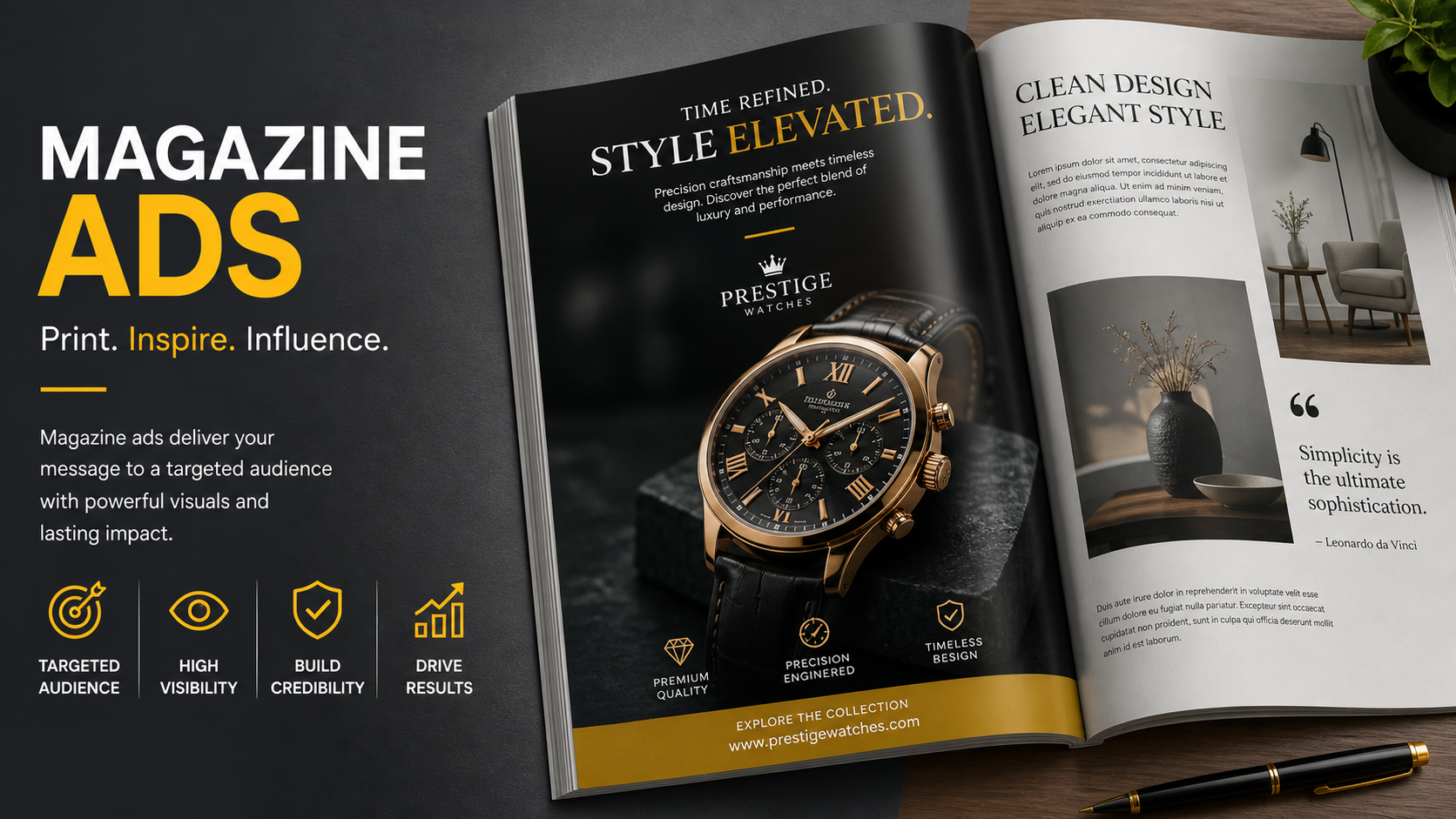
Magazine ads continue to hold an important place in the marketing world, even as digital advertising dominates most brand strategies today. While businesses invest heavily in social media, search engines, and video marketing, print advertising still offers unique benefits that digital channels often cannot fully replace. Magazine ads combine visual creativity, audience targeting, and long-lasting brand exposure in ways that make them highly valuable for companies of all sizes. Whether featured in fashion publications, business journals, lifestyle magazines, or industry-specific publications, magazine advertising remains a trusted medium for connecting brands with engaged readers.
In the modern advertising landscape, businesses no longer view print and digital as separate competitors. Instead, many brands integrate both to create stronger and more memorable campaigns. Magazine ads now work alongside websites, QR codes, social media platforms, and influencer campaigns to create a complete customer journey. This hybrid approach allows advertisers to benefit from the credibility of print while also driving measurable online results.
What Are Magazine Ads?
Magazine ads are paid promotional placements that appear in printed or digital magazine publications. These advertisements are designed to showcase products, services, events, or brand messages to a targeted audience. Unlike newspaper ads, which are often more text-heavy and time-sensitive, magazine ads usually focus on strong visuals, polished design, and premium branding.
Businesses choose magazine ads because magazines often serve niche audiences. A fashion magazine attracts style-conscious readers, while a technology publication reaches gadget enthusiasts and professionals. This targeted nature allows brands to place their message directly in front of people who are more likely to be interested in their offerings.
Magazine ads can take many forms, including full-page ads, half-page layouts, double-page spreads, sponsored editorials, inserts, and cover wraps. Digital magazine versions may also include interactive ads with clickable elements, embedded videos, or direct purchase links.
Why Magazine Ads Still Matter in the Digital Age
Many marketers assume print advertising has become outdated, but this assumption ignores the unique psychological and branding advantages of magazine ads. Print media creates a tactile experience that digital platforms cannot replicate. Readers physically interact with magazines, flip through pages, and spend more focused time with content compared to the quick scrolling behavior common online.
Magazine readers often view publications as trusted sources of information. Because of this, advertisements placed within respected magazines can benefit from that credibility. A luxury skincare brand advertised in a high-end beauty magazine, for example, may appear more premium and trustworthy.
Another major advantage is reduced competition for attention. Digital users are constantly exposed to pop-ups, banners, autoplay videos, and social media ads. Magazine ads exist in a less cluttered environment, allowing readers to absorb messaging without constant distractions.
In addition, magazines have a longer shelf life. A social media ad may disappear from a feed within seconds, but a magazine can sit on a coffee table, office desk, salon waiting room, or library shelf for weeks or months.
Key Benefits of Magazine Ads for Businesses
One of the strongest benefits of magazine ads is precise audience targeting. Magazines naturally attract readers based on interests, demographics, income levels, professions, and lifestyles. This means advertisers can strategically select publications that align with their ideal customers.
Brand image enhancement is another major advantage. High-quality magazine layouts allow brands to showcase polished visuals, elegant typography, and premium storytelling. This is especially valuable for industries such as fashion, beauty, travel, automotive, and luxury products.
Magazine ads also encourage stronger engagement. Readers typically spend more time with magazines than with many forms of online content. This extended attention can improve message retention and brand recall.
Additionally, magazine advertising supports local, national, and international campaigns. Businesses can advertise in regional magazines for localized exposure or choose major publications with global readership.
Print ads also complement digital marketing efforts. Including website URLs, QR codes, discount codes, or social media handles in magazine ads bridges the gap between offline and online engagement.
Types of Magazine Ads Brands Commonly Use
Advertisers have several format options when designing magazine ads, depending on budget and campaign goals. Full-page ads are among the most popular because they maximize visual impact and provide enough space for storytelling.
Half-page ads are a more affordable option while still maintaining visibility. These are useful for smaller businesses or brands testing print advertising for the first time.
Double-page spreads create dramatic impact by extending visuals across two pages. Luxury brands often use this format for high-end campaigns.
Sponsored content or advertorials blend advertising with editorial-style writing. These ads appear more educational and can build trust by offering useful information while promoting a product or service.
Cover ads and inserts are premium placements that generate exceptional visibility. These may include gatefolds, tip-ins, or product samples attached inside the magazine.
Digital magazine ads may incorporate animation, clickable shopping links, or video content for added interactivity.
How to Design Effective Magazine Ads
Successful magazine ads require more than attractive visuals. They need strategic messaging, clear branding, and strong calls to action. The headline is often the first element readers notice, so it should immediately capture attention and communicate value.
Visual hierarchy is essential. Important elements such as product images, brand logos, offers, and contact details should be organized clearly.
High-resolution imagery is particularly important in magazine advertising because print quality can amplify or expose design flaws. Brands should invest in professional photography or high-quality graphic design.
Minimal but persuasive copy works best. Magazine readers appreciate concise messaging supported by compelling visuals. Overloading the ad with excessive text can reduce impact.
A clear call to action should guide readers toward the next step. This may include visiting a website, scanning a QR code, following a social account, or redeeming a discount.
Consistency with brand identity is equally important. Fonts, colors, tone, and messaging should align with the company’s overall marketing presence.
Magazine Ads vs Digital Advertising
The comparison between magazine ads and digital advertising is often framed as a competition, but the reality is more nuanced. Both channels offer unique strengths and can work best when combined strategically.
Digital advertising provides speed, scalability, analytics, and retargeting capabilities. Businesses can quickly launch campaigns, track clicks, and optimize performance in real time.
Magazine ads, on the other hand, excel in credibility, visual impact, and audience attention. They are less intrusive and often feel more intentional.
Digital ads are ideal for immediate conversions, while magazine ads are often stronger for long-term brand awareness and positioning.
For example, a fashion brand might run magazine ads to establish prestige while using paid social ads to drive traffic and conversions.
Combining both channels creates a balanced marketing ecosystem that captures consumers across multiple touchpoints.
How Digital Technology Has Improved Magazine Ads
Modern magazine ads are no longer limited to static print pages. Technology has transformed print advertising by making it interactive and measurable.
QR codes are one of the most popular integrations. Readers can scan a code directly from a magazine ad to access websites, promotions, product pages, or videos.
Augmented reality features allow users to scan pages using mobile apps for immersive experiences.
Custom landing pages help track traffic generated from magazine campaigns.
Unique promo codes allow businesses to measure conversions directly linked to print ads.
Digital editions of magazines expand reach by combining traditional layouts with clickable advertising features.
These innovations have helped magazine ads evolve into a more measurable and integrated marketing tool.
Industries That Benefit Most from Magazine Ads
Certain industries perform especially well with magazine advertising. Fashion and beauty brands are natural fits due to their reliance on strong visuals and aspirational branding.
Travel companies benefit from showcasing destinations, hotels, and experiences through rich photography.
Automotive brands often use magazine ads to highlight vehicle design, innovation, and luxury appeal.
Healthcare and wellness businesses can target health-conscious audiences through specialized publications.
Real estate companies use magazine ads to promote premium properties and developments.
Business-to-business companies also benefit by advertising in trade magazines read by decision-makers and industry professionals.
Measuring the Success of Magazine Ads
A common misconception is that print advertising cannot be measured effectively. While it may not offer the same instant analytics as digital ads, magazine campaigns can still be tracked.
Unique URLs direct readers to dedicated landing pages.
Promo codes help identify purchases influenced by specific campaigns.
Phone tracking numbers measure inbound calls from magazine ads.
Customer surveys can reveal where audiences discovered a brand.
Website traffic spikes following publication dates can also indicate campaign impact.
Brand lift studies measure awareness, recall, and perception changes over time.
Combining these methods provides useful insights into the return on investment of magazine advertising.
The Future of Magazine Ads
The future of magazine ads lies in integration rather than isolation. Print will continue evolving alongside digital platforms, offering premium branding opportunities enhanced by technology.
Luxury brands, niche businesses, and premium publishers are likely to keep investing in magazine advertising because of its credibility and audience quality.
Interactive print experiences, AI-driven personalization, and improved analytics will further strengthen the role of magazine ads.
Rather than disappearing, magazine ads are adapting to modern consumer behavior by becoming part of broader omnichannel strategies.
Brands that understand this shift can use magazine advertising not as a replacement for digital marketing, but as a powerful complement that strengthens brand identity and customer engagement.
Conclusion
Magazine ads remain a valuable tool in both print and digital marketing strategies. Their ability to deliver targeted exposure, strong visual branding, and lasting audience engagement makes them highly effective even in a technology-driven world.
As digital marketing continues evolving, magazine ads offer something increasingly rare: focused attention, credibility, and premium presentation. Businesses that combine the emotional impact of print with the measurable advantages of digital can create stronger and more memorable campaigns.
The power of magazine ads lies not in competing with digital marketing, but in enhancing it. For brands seeking trust, authority, and creative storytelling, magazine advertising continues to be a smart and relevant investment.





Post Comment