Why a Home Health Aide Is Essential for Elderly Care and Recovery
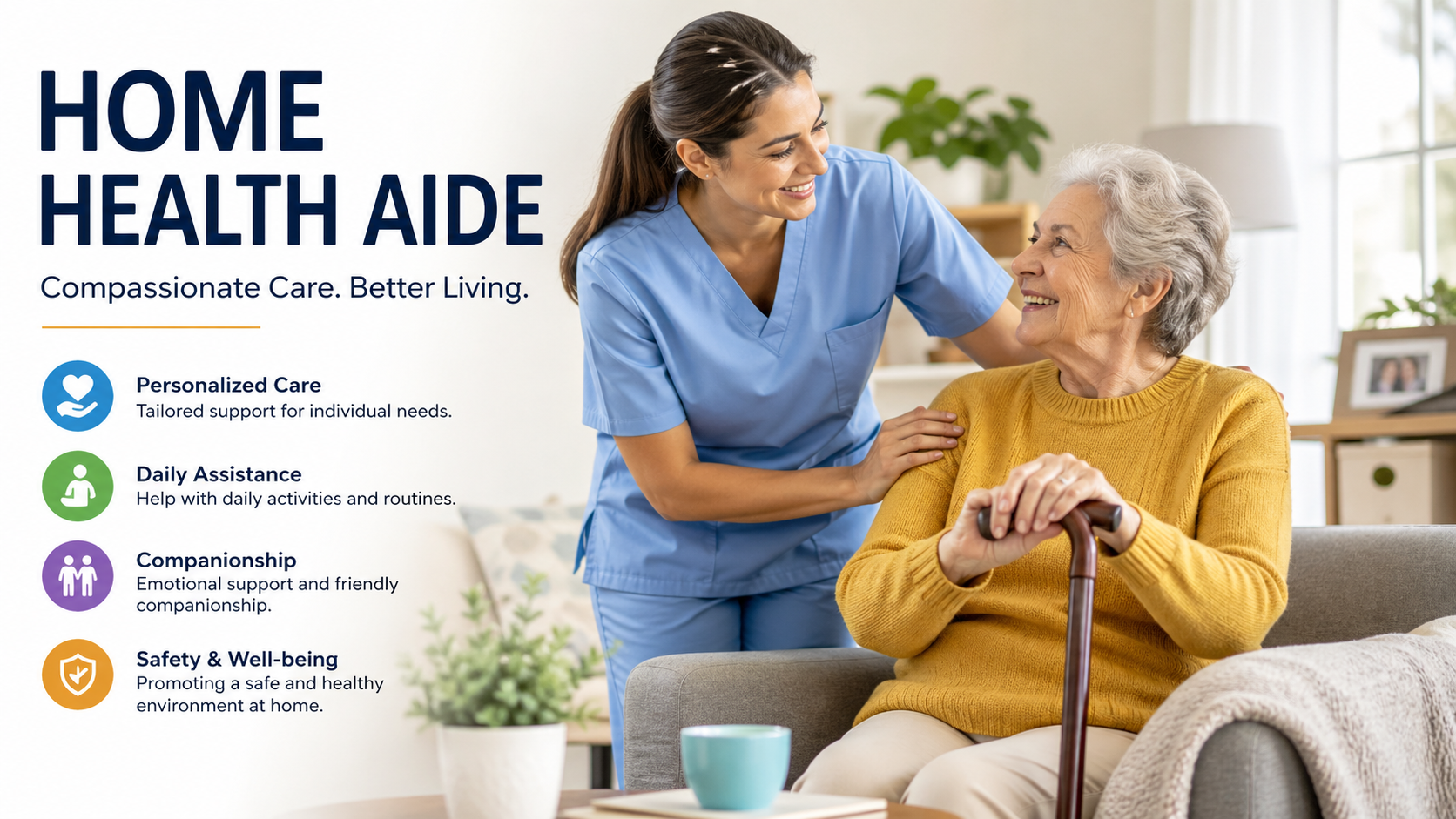
Caring for aging loved ones or individuals recovering from illness or surgery is one of the most meaningful yet challenging responsibilities a family can face. As life expectancy increases and healthcare needs become more complex, many families are turning to professional support to ensure their loved ones receive the best possible care at home. This is where a home health aide plays a vital role. A home health aide provides personalized, compassionate, and practical care that supports both physical recovery and emotional well-being. In this comprehensive guide, we will explore why a home health aide is essential for elderly care and recovery, and how they significantly improve quality of life for patients and their families.
Understanding the Role of a Home Health Aide
A home health aide is a trained professional who assists individuals—primarily seniors, disabled persons, or patients recovering from illness—in their daily living activities. Unlike traditional hospital-based care, a home health aide provides services in the comfort of a patient’s home, which often leads to better emotional health and faster recovery.
Their duties typically include assisting with personal hygiene, helping patients dress, preparing meals, administering basic medications (under supervision), and monitoring overall health conditions. A home health aide may also provide companionship, which is especially important for elderly individuals who live alone or experience isolation. Their role is not just limited to physical care but extends to emotional support, making them a crucial part of a patient’s recovery journey.
The Growing Need for Home Health Aides in Modern Healthcare
With the global aging population on the rise, the demand for home health aides is increasing rapidly. Many seniors prefer aging in place rather than moving to nursing homes or assisted living facilities. This preference has significantly contributed to the growing importance of home-based care services.
Additionally, advancements in medical technology now allow patients to receive treatments at home that previously required hospitalization. From post-surgical recovery to chronic disease management, a home health aide ensures patients follow their care plans correctly. This reduces hospital readmissions and lowers healthcare costs, making home health aides an essential component of modern healthcare systems.
Personalized Care for Elderly Patients
One of the most significant advantages of hiring a home health aide is the level of personalized care they provide. Unlike hospitals or care facilities where attention is divided among many patients, a home health aide focuses solely on one individual at a time.
This one-on-one care allows aides to understand the patient’s specific needs, preferences, and routines. Whether it’s preparing a favorite meal, assisting with mobility exercises, or providing emotional reassurance, a home health aide tailors their services to enhance comfort and well-being. This personalized approach leads to better health outcomes and a higher quality of life for elderly patients.
Supporting Recovery After Illness or Surgery
Recovery after surgery or illness can be a slow and delicate process, especially for older adults. A home health aide plays a critical role during this period by ensuring that patients follow their doctor’s instructions and maintain a safe recovery environment.
They help with medication reminders, wound care (as directed), mobility assistance, and daily activities that may otherwise strain the patient. Their presence reduces the risk of complications such as infections, falls, or medication errors. Moreover, having a home health aide nearby provides peace of mind for both the patient and their family members during the recovery phase.
Promoting Independence and Dignity
Maintaining independence is extremely important for elderly individuals. Losing the ability to perform daily tasks can affect their confidence and emotional well-being. A home health aide supports independence by assisting only when necessary, allowing patients to retain as much control over their lives as possible.
For example, instead of taking over completely, a home health aide may guide the patient through activities like dressing or eating, encouraging them to participate actively. This approach not only boosts self-esteem but also preserves dignity, which is a fundamental aspect of quality care.
Enhancing Emotional Well-being and Companionship
Loneliness and social isolation are common issues among seniors, especially those living alone. A home health aide provides companionship that goes beyond routine care tasks. They engage in conversations, accompany patients on short walks, play games, or simply spend time listening.
This emotional connection has a significant impact on mental health. Studies have shown that seniors who receive regular companionship experience lower levels of depression and anxiety. A home health aide becomes a trusted companion, helping patients feel valued, supported, and less isolated.
Ensuring Safety and Reducing Risks at Home
Home environments can pose various risks for elderly individuals, such as slippery floors, poor lighting, or obstacles that may cause falls. A home health aide helps create a safer living space by identifying potential hazards and taking preventive measures.
They assist with mobility, ensure proper use of assistive devices, and monitor the patient’s condition regularly. In case of emergencies, a home health aide can respond quickly and seek medical help if needed. Their presence significantly reduces the likelihood of accidents and enhances overall safety.
Providing Relief for Family Caregivers
Family members often take on the role of caregivers, but this responsibility can be physically and emotionally demanding. Balancing caregiving with work, personal life, and other obligations can lead to stress and burnout.
A home health aide provides much-needed relief for family caregivers by sharing the workload. They allow family members to take breaks, focus on their own well-being, and maintain a healthier balance in their lives. Knowing that a trained professional is caring for their loved one also brings reassurance and peace of mind.
Cost-Effective Alternative to Institutional Care
While nursing homes and assisted living facilities provide comprehensive care, they can be expensive and may not always offer the personalized attention that patients need. Hiring a home health aide is often a more cost-effective option, especially for individuals who do not require round-the-clock medical supervision.
By receiving care at home, patients can avoid additional costs associated with facility-based living while still benefiting from professional support. This makes home health aides a practical and economical solution for many families.
Choosing the Right Home Health Aide
Selecting the right home health aide is a crucial decision that requires careful consideration. Families should look for qualified professionals with proper training, certifications, and experience. It’s also important to assess their communication skills, empathy, and compatibility with the patient.
Conducting interviews, checking references, and working with reputable home care agencies can help ensure the best match. A good home health aide not only meets the patient’s physical needs but also builds a trusting and respectful relationship that enhances overall care.
Conclusion
A home health aide is more than just a caregiver—they are a vital partner in ensuring the health, comfort, and dignity of elderly individuals and those recovering from illness. From providing personalized care and emotional support to promoting independence and safety, their contributions are invaluable.
As healthcare continues to evolve, the role of the home health aide will only become more significant. For families seeking compassionate and effective care solutions, hiring a home health aide is one of the best decisions they can make. It not only improves the patient’s quality of life but also provides reassurance and support for everyone involved in the caregiving journey.



Post Comment